
Standing still in a city that won’t stop moving
By Kaela Goldsmith
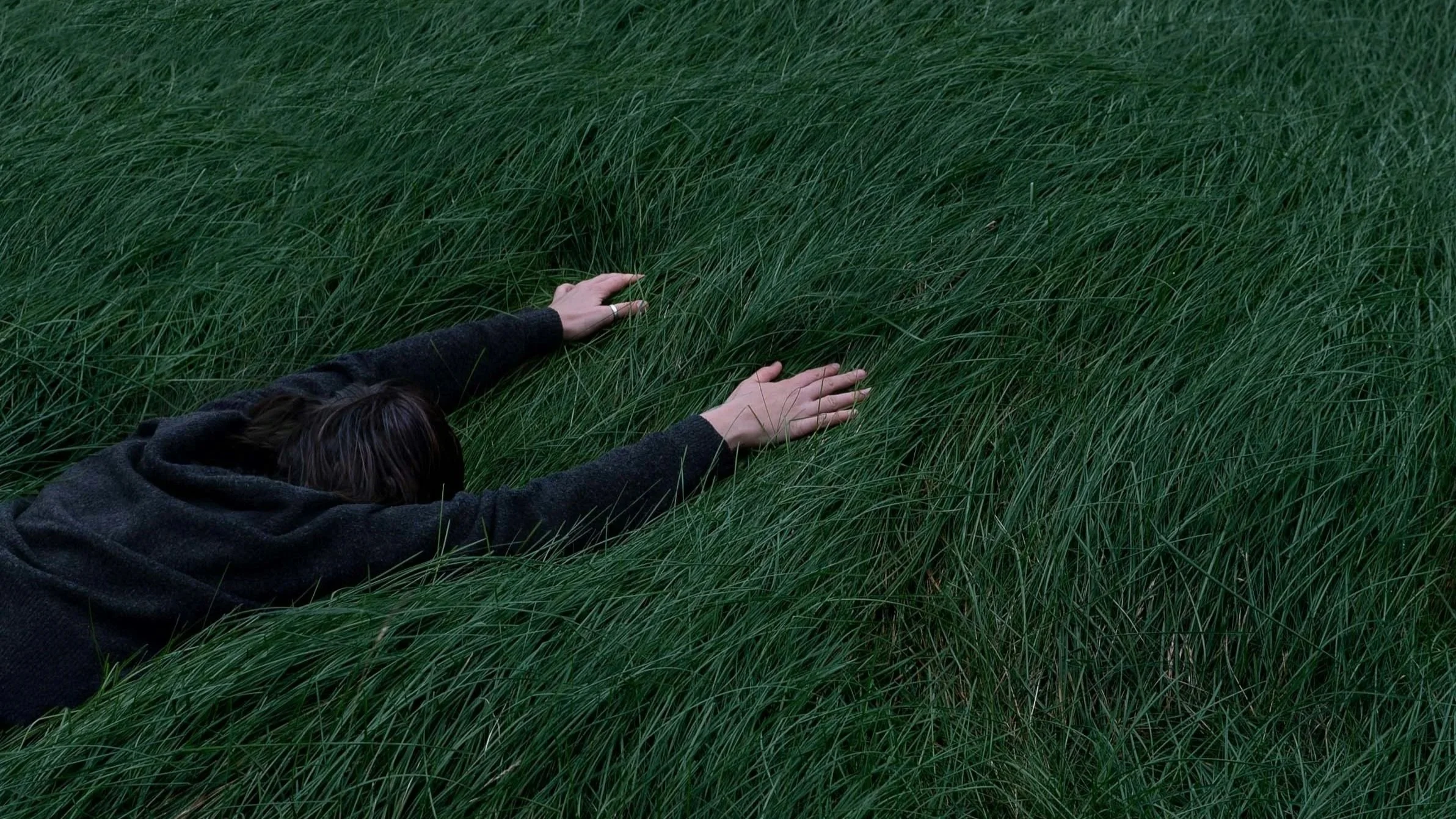
It’s easy to get lost amidst the streets of Sydney.
People often say the city is devoid of the culture that other major cities provide, complaining that there’s not enough to do, or not enough to see.
These people are typically the more boisterous type. Those seeking thrills, parties and interactions. And these desires are often offset by the monotonous work culture that capitalism forces us to endure.
Sydney is no stranger to this – it’s concrete jungles giving way to millions who work day and night just to get by. Even the most fun professions eventually lose their charm to the routine of it all.
The early morning wakeups,
The oat lattes,
The rattling train rides,
The clicking of heels on pavement, The bumbling car engines,
And the slow elevator rides (that hopefully go all the way to the top).
If visualised, this routine would be washed grey, and the longing for more would take the form of rainbow accents, dancing in the background.
But for some, rather than seeking a thrill to offset the monotony – they’d prefer the quiet, something that can prove a difficult find in a world moved by sound. These are commonly known as third places. Sanctuaries hidden in the corners of our daily lives.
One of my favourite third places are cafés. These enclaves are often safe spaces in bustling cities. And I seek them out as if they were secret doorways in ornate mansions. I hop from café to café, in search of the right ambience.
There are a few criteria I have to ascertain whether a café holds up to my standards:
The interior. I am typically drawn to roomy spaces and modern interiors. White walls, earthy palettes, plants etc etc. And even if these things do not exist, I think it’s easy to tell when a real effort has been put into crafting a space conducive to providing safety for those who venture in.
Sunlight. The more windows the better. A stream of sunlight as you sip on a drink of choice elevates the experience. It also makes for more productive study sessions or backdrops for work. And it’s often much needed after being trapped in windowless spaces.
The service. Obviously, the better the service, the better the time. That is just simply a foundational principle of any business model. Cafés that cultivate an energy that makes you feel welcome is essential.
The actual noise level. If I’m at a café to find quiet, and I don’t find that quiet - that is a surefire way of the experience falling short.
And then last but not least, (and also an inevitable criterion), the coffee. This is, however, a very subjective point, because everyone enjoys their coffee differently. However, I have been more of a matcha person of late, and so I favour places that get this right. For me, that means a smooth consistency, no granules, slightly astringent (but not bitter), and bonus points for those places that use maple syrup to sweeten it.
I often find this in places such as Chinatown Country Club in the Sydney CBD - a warm escape from the crudeness of the concrete structures that surround it. Its wooden interiors, greenery and abstract golden lamps – with white walls and large homely windows bringing in light. The baristas welcome you with a smile, the noise level sits at a comfort- able chatter, and the matcha is just right.
Another of my favourite quiet places are parks. Nature’s very own third place.
To simply see a tree after being stuck in a hunched over position, at a desk, in a grey office space for hours on end, is truly a healing experience. Similar criteria applies for cafes - the more open the space, the better. Natural sunlight plays a crucial role in elevating the experience, while the noise level can either enhance or disrupt the desired sense of calm (inevitably).
There is also something spiritual about lying down on a patch of grass. The ability to ground yourself in the middle of the day is an almost meditative practice.
It can help you reorient your perspective on things. Life can seem so small and insular when you’re trapped in man- made structures. Everything opens up when you reconnect with nature.
After a long day of studying, I tend to find myself wan- dering down to Victoria Park, just a few minutes off my university’s campus. I think history hasn’t always been kind to this park, but in the day, it truly is a beautiful place to be, especially when the sun is shining, flowers are blooming, and friends are lounging on the grass. I used to journal there a lot, and pour my little heart out when it called to be heard. Now I usually catch up with friends there (with a matcha never too far from my clutch).
The last third place to hide in, and potentially my favourite of them all, is under the shelter of film, art, music and books. These cultural products are where true escapism can be found – in the worlds built by the words of authors, in the characters that take over our screens, in etches that cover a canvas or the lyrics that paint melodies. This third place is intangible, but by design perhaps more powerful than any tangible third place could hope to be. Because it can transport you beyond your own reality, and help you make sense of experiences alternate to your own.
And so, while the city is vast, looming, and sometimes a dark place – these third places provide refuge when the darkness feels all consuming. Seek them out, and you’ll feel your world brighten up for the better.
