
Are we all twinless?
A review of Twinless (2025) by Alessia Poles & Bella Salier.
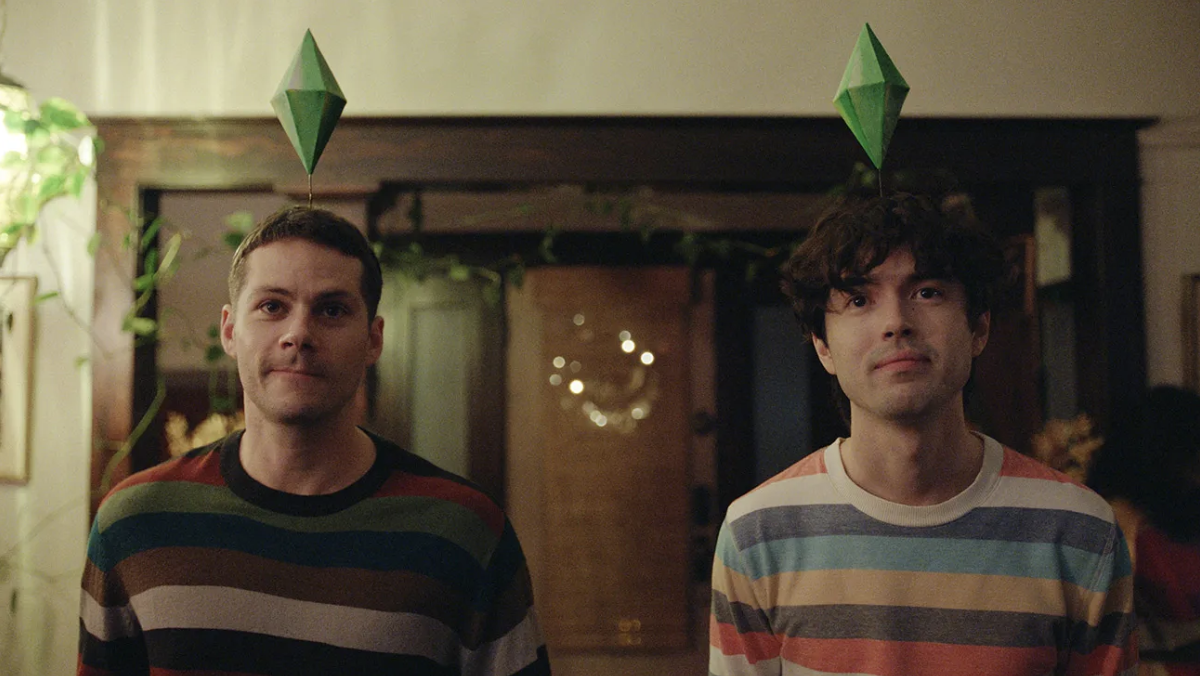
Dylan O’Brien and James Sweeney in Twinless (2025). Credit: Sydney Film Festival 2025.
For every thirty-five Australians, one is a twin. Surprised?
Twins often feel more present in popular culture than in real life. A brief glance at Nickelodeon and Disney shows how much we, the audience, love to watch a set in action. We romanticise them, we laugh at them, and we (sometimes) find them a little creepy, Kubrick made sure of that. But at the end of the day, do we really understand twins? And why do we want to?
That question underpins much of American actor-screenwriter-director James Sweeney’s 2025 sophomore film, Twinless. Debuting in Australia at the 2025 Sydney Film Festival, the film uses the twin/twin relationship to explore (and eventually pollute) the desire for connection that motivates most human action. A marvel of the bleak comedy-drama, Twinless follows two young men—Roman (Dylan O’Brien, The Maze Runner) and Dennis (Sweeney) at a twin bereavement support group who form an unlikely friendship.
The film walks the tonal tightrope of witty humour and grief, with a conclusion that is equal parts confronting, charming, and devastating.
For the spoiler-averse, there isn’t much to say without ruining the sheer number of twists in the film. The less you know about Twinless, the better your viewing experience will be – case in point, we were both blindsided by the plot and loved every second of it.
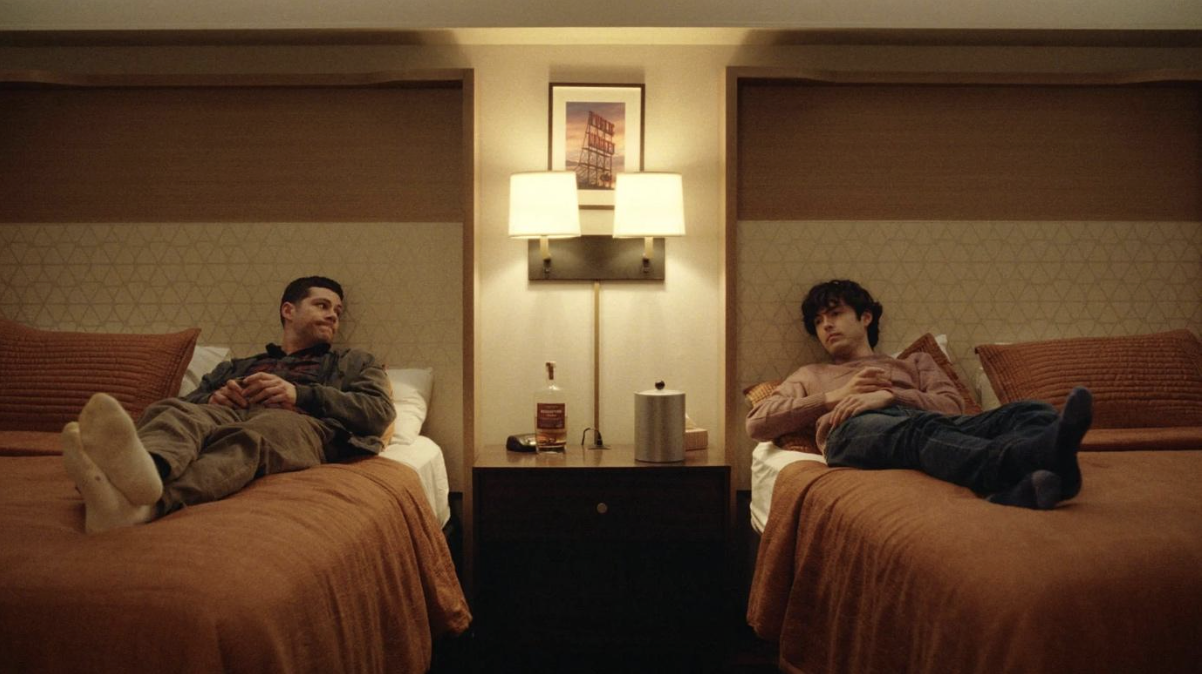
Dylan O’Brien and James Sweeney in Twinless (2025). Photo: Greg Cotton.
In the face of these many twists, Twinless never strays too far from the real. Potentially as an act of caution from Sweeney, the actions of Roman and Dennis are neither validated nor questioned by the film. Every step taken by each character is understandable, and the chain of events unravels in ways that are both surprising and gratifying. Don’t get us wrong, some of the behaviour in this film is downright diabolical. But the audience never feels out of sync with the actors on screen. We are with Rocky and Dennis as they journey through grief and unpick, as they do, the complexities of their many relationships with the deceased twins who (forgive us a cliché) haunt the narrative.
In one of O’Brien’s best performances to date, the Teen Wolf (2011-2017) star shines as identical twins Roman and Rocky, the latter of whom is deceased. Flashbacks offer O’Brien the opportunity to play both estranged and vastly different ‘halves’, as the film delves into the twins’ relationship. Rocky is everything Roman (and Dennis) isn’t: clever, cultured, worldly, and gay.
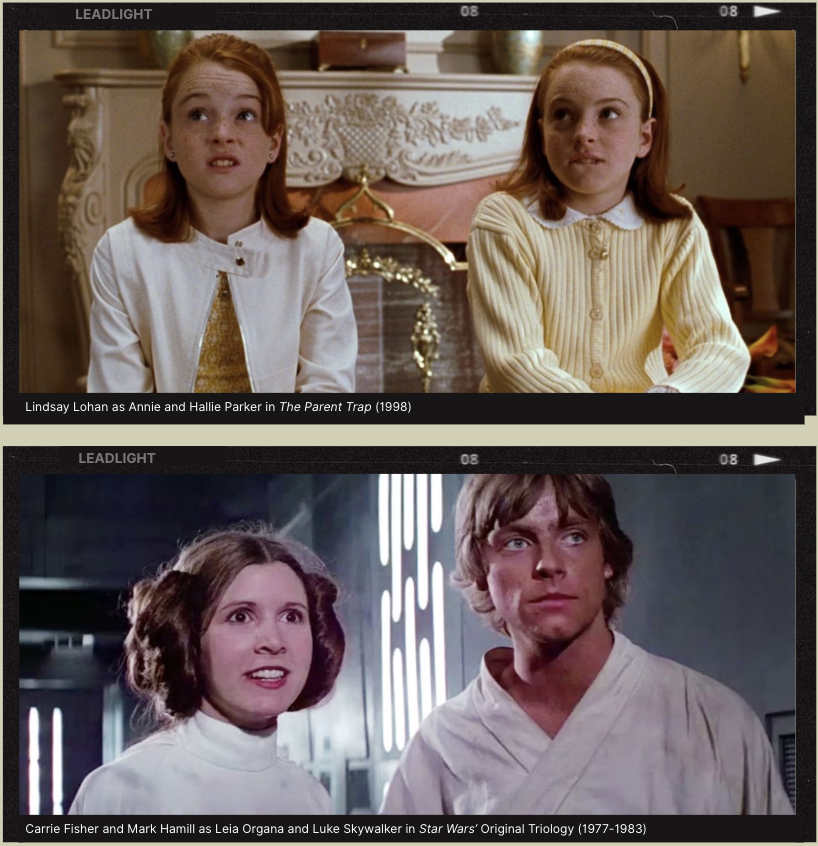
But it’s in the subtle tones and rhythms to which O’Brien breathes life to both brothers where their differences and kinship are revealed to us; a particularly impressive feat, given the brothers never share the same screen (à la Lindsay Lohan in The Parent Trap).
Twinless (2025). Credit: Lionsgate, Roadside Attractions.
In an interview with Variety, O’Brien explained that Sweeney’s rich script and the disparate physicality of the two brothers allowed him to find them both within himself -- a testament to the skill of both actor and writer.
James Sweeney captures the wit and intrigue of Dennis, a smart, cultured yet awkward graphic designer, whom he wrote for himself, satisfactorily well. Dennis, as a character, is hard to put a finger on. In his own way, he is a twin to both Roman and the deceased Rocky, he shares Rocky’s sexuality and mirrors Roman’s grief.
Ultimately, however, he becomes a conduit for the audience to explore the film’s intricacies. He, like Roman, is lost. As we learn more about him, it becomes apparent that it is through his eyes that this story is being told.
Despite this, Dennis remains consistently unpredictable. As the film wears on, Dennis becomes increasingly distanced from the narrative while equally integral to its forward momentum, reflecting his internal struggle between desiring to be seen by his peers and to be left completely alone.
Whilst clear at times that Sweeney lacks the acting training of his co-stars, particularly in more emotional scenes, it hardly detracts from one’s enjoyment of Twinless. Instead, perhaps it’s the roughness of Sweeney’s performance which make Dennis’ desperation and objectives feel believable, however outlandish they sometimes are.
Their performances are complemented by Irish actress Aisling Franciosi, and Lauren Graham of Gilmore Girls fame. Franciosi imbues Dennis’ bubbly coworker Marcie with compelling intellect and integrity in a supporting role that could have otherwise been dismissed as irritatingly one-dimensional comic relief. The subtleties of her performance complement the dark humour and sadness present throughout the film, highlighting the value of a supportive network of genuine and kind peers during difficult periods.
Graham adds her own spark to the narrative in the form of Roman and formerly Rocky’s mother. She portrays the grief-ridden mother well, playing into her comedic talents when the film allows. Despite her short screen time, Graham brings to life a fully fleshed-out character with a complete inner world. The contrast of these two women and their respective dynamics with Dennis and Roman grounds the film into reality.
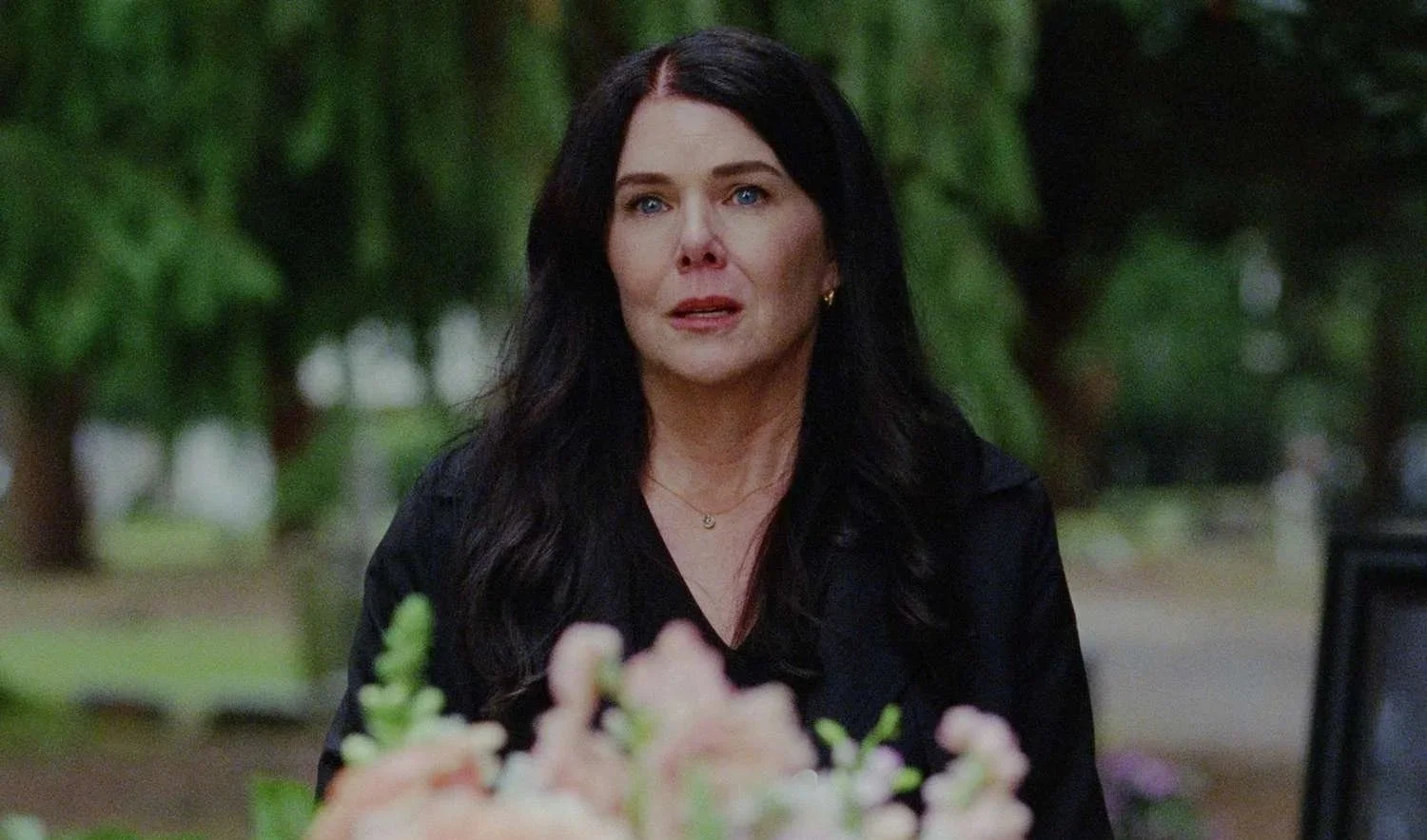
Lauren Graham in Twinless (2025). Credit: Republic Pictures.
In their ways, both are “motherly” figures to the men; a potential indication of Sweeney’s view of grief, and the different roles taken on by man and woman. This could be reductive, but the authenticity driven by both Franciosi and Graham’s performances save Twinless from falling into clichéd gender roles.
Additional kudos should be given to Sweeney for his cinematography decisions. Sweeney’s semi-regular, but purposeful, use of split-screens simultaneously builds a frantic, fun and tense atmosphere, while also returning to this thread of co-dependency and twinship. There are some fascinating scenes where we are incapable of determining whose perspective we’re entering from until we’re in the middle of it—which twin is O’Brien portraying, where is the audience situated, and are we watching a flashback, or current day?
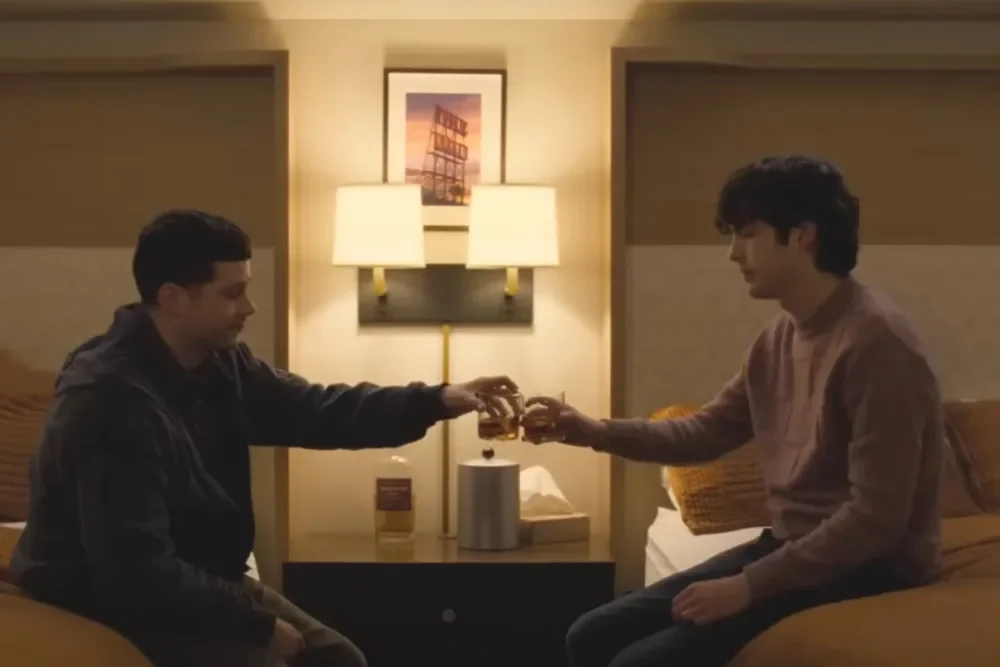
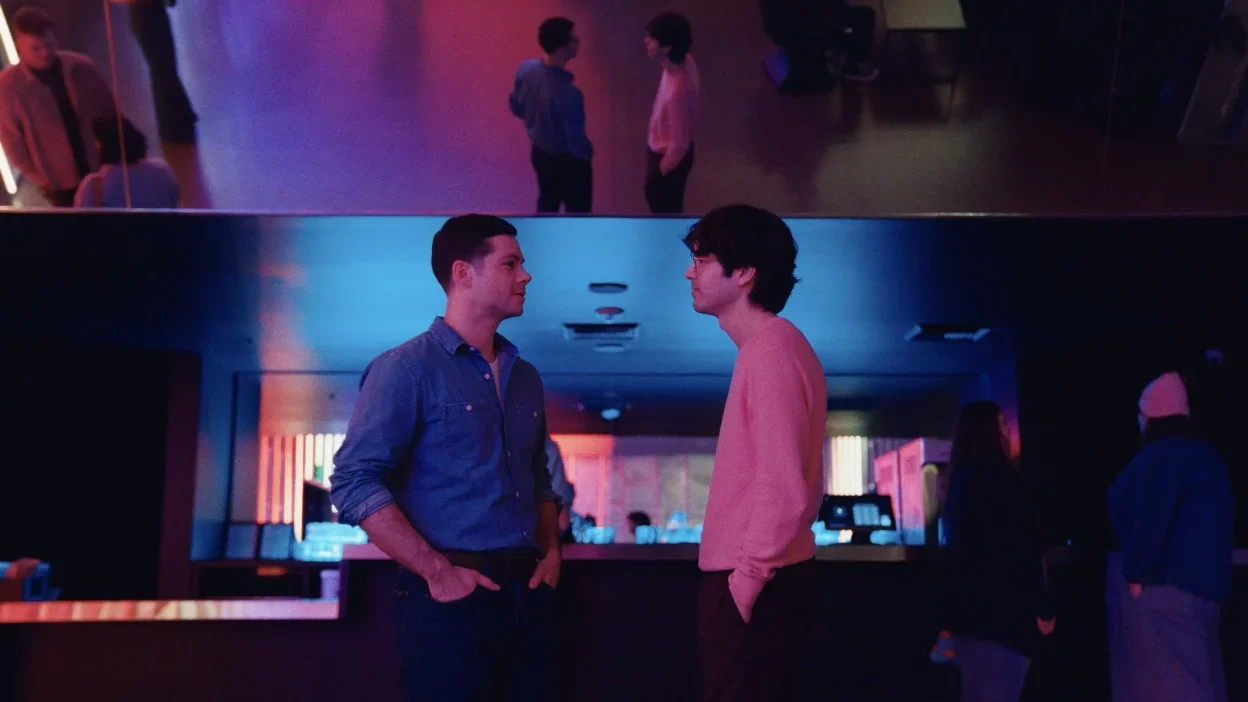
Twinless (2025) Credit: Lionsgate, Roadside Attractions.
This film would not have worked with any other relationship. Sweeney uses our outsider fascination with the twin/twin bond to force examination of a desire for pre-written connection. We recognise a bond, we want that bond, we imagine we feel that bond – regardless of whether we've actually experienced it, or even know anything about it. But it’s our intrigue with the lived experiences of multiple-birth siblings that draws us in and proceeds to slap us in the face.
Twinless reminds us to work on the connections we already have…and get a life.
