
The Vulnerability Projekt
An art installation built by the vulnerability of strangers has created connection, community, and healing.
In conversation with Lili Spratt. Interview by Freja Newman.
“I had no idea what the end goal was. It wasn’t like, ‘I want to put on an art exhibition, let me think of what to do’. It kind of stumbled into this.”
Lili Spratt is the founder of the creative initiative, The Vulnerability Projekt, an art exhibition that fills the walls of a space with journal entries from strangers around the world. While it began on instagram as @thevulnerabilityprojekt with Lili posting entries from her own journal to raise awareness for the idea, it soon evolved into a feed of writings, drawings and lyrics from friends, family, and strangers who felt safe to send through entries digitally and physically. Now, the initiative is an exhibition that is being shown in London and Sydney over the next few months.
“It’s a way for people to see themselves in other people’s vulnerabilities,” she said. “Conceptually, from an artistic perspective, a lot of people make art for walls and for it to be seen. But I guess I asked myself what would happen if you kind of flipped that and asked people to look back, look at their words written in isolation, and look at their words that weren’t intended for anyone else’s eyes…and then you asked them to give [these words] to you to do exactly that, to put in front of other people’s eyes.” She wanted to capture the weight and authenticity of people’s words in a space that was cathartic and safe.
At 18, Lili moved to London from Sydney to study at the University of the Arts London. However, it took a while for her to build community, particularly a community that was close enough to hold her during some devastating moments she experienced in her first year.
Instead, she had the pages of her journal to soak up the honesty and vulnerability she needed so desperately to release. It wasn’t until last year, after a culmination of drunken, messy and honest conversations with friends, that she realised there needed to be a space and an expression of this vulnerability for others to interact with, find comfort in, and react to with tears, nods and breaths of relief as they realise they are not alone.
“I remember seeing my friend one night in her drunkenness as she cried and told me so much about her life, and thinking it was actually really just beautiful,” Lili admitted. “It was artistic how she wanted to share this with me, and I felt more okay in my own issues that night because I could kind of push past that bullshit of surface-level topics and actually start talking about what was real and raw.”
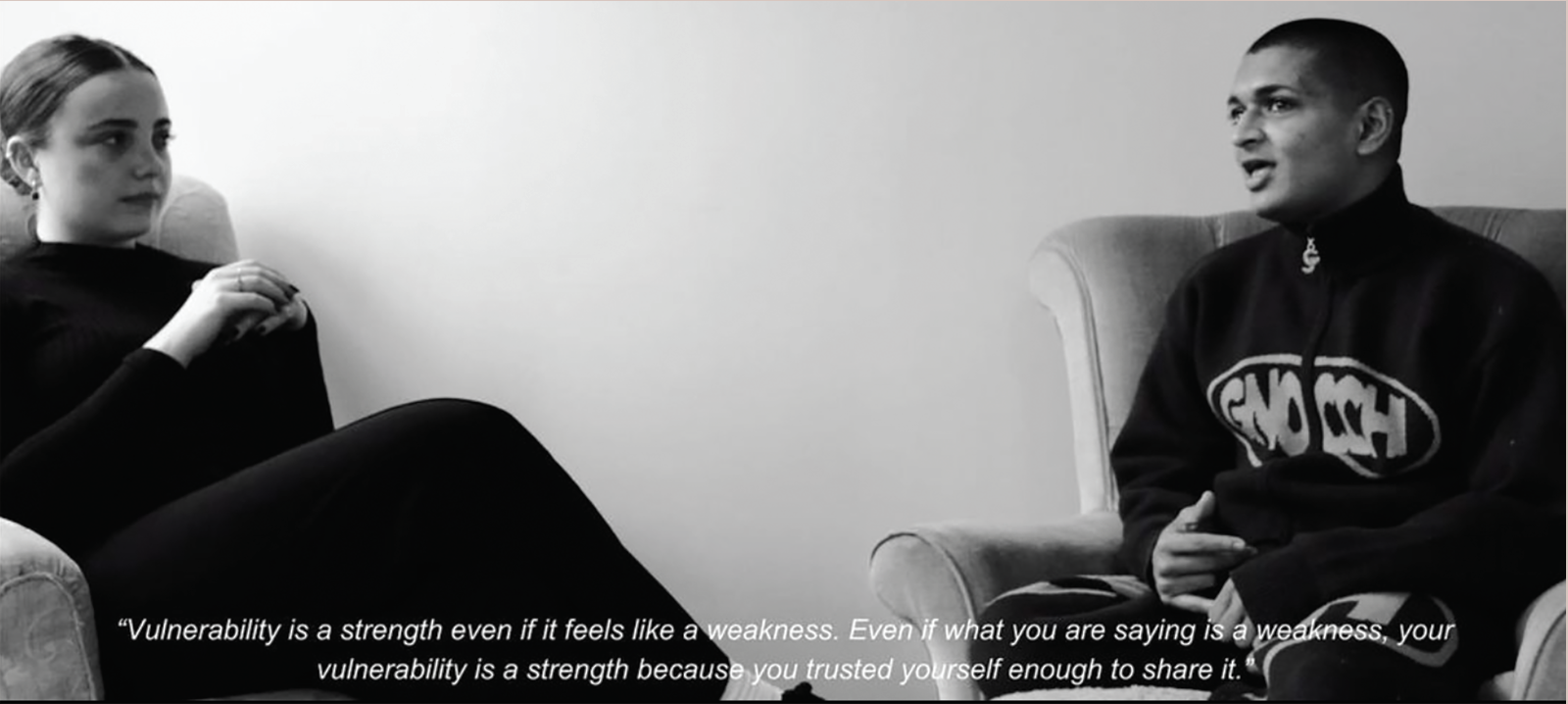
It was after recurring moments like these (and the multiple journal entries reflecting on them), that made her realise that, for so many people, her own vulnerability and openness was an olive branch that those around her grasped at with gratitude. “My relationships with my friends and my family have always been very intimate”, she said, “and so I think a lot of people see that reflected in how I hold myself and feel like they can share stuff with me and be vulnerable with me.”
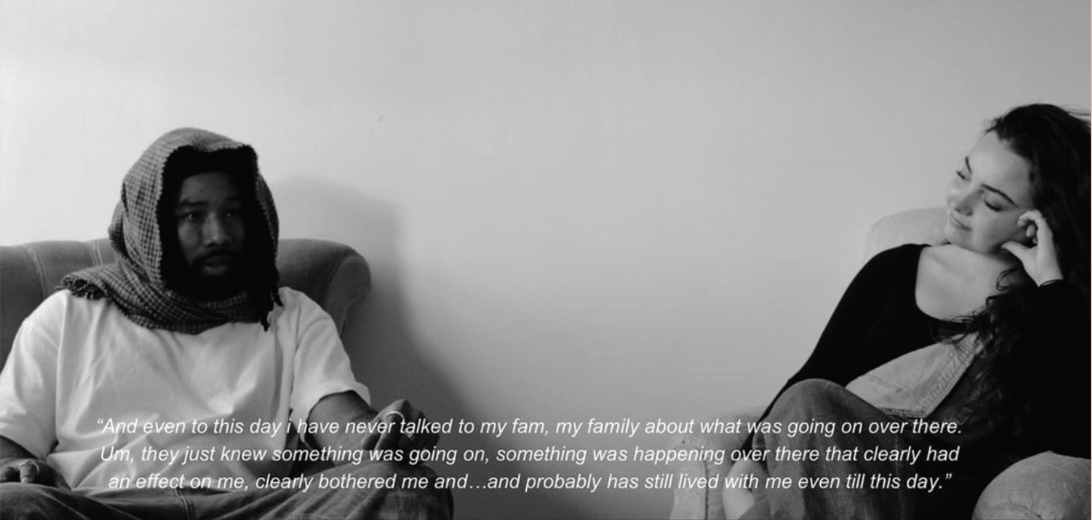
While she has always surrounded herself with the work of Brené Brown and The Imperfects Podcast, she realised that for some, vulnerability was a sore spot, an untouched idea, and a fear. This project didn’t stem from a desire to heal herself, but to extend a branch to those she loved so they, too, could let out all that they kept in.
“Don’t we all just want empathy and rich connection and love and to be seen?”
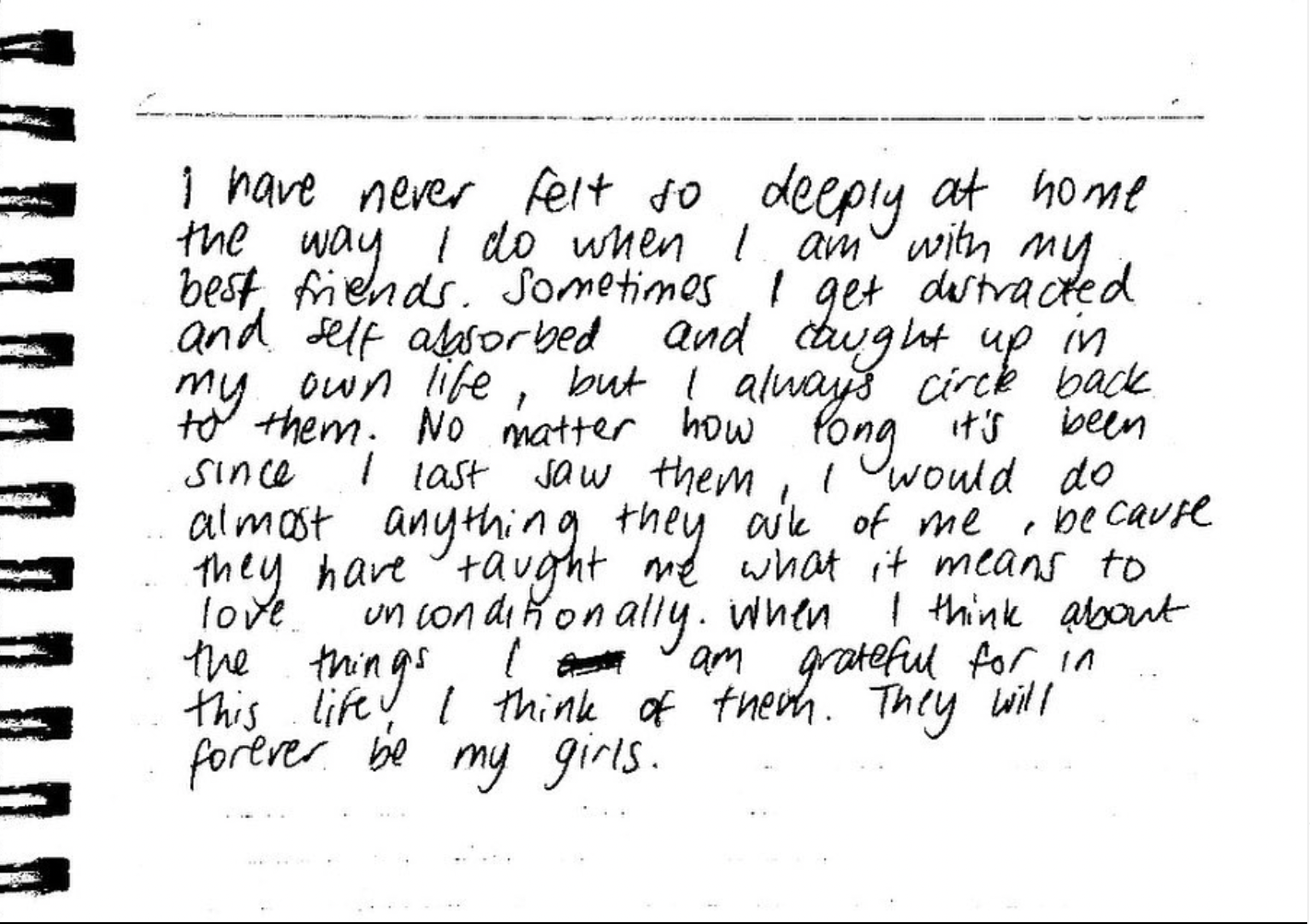
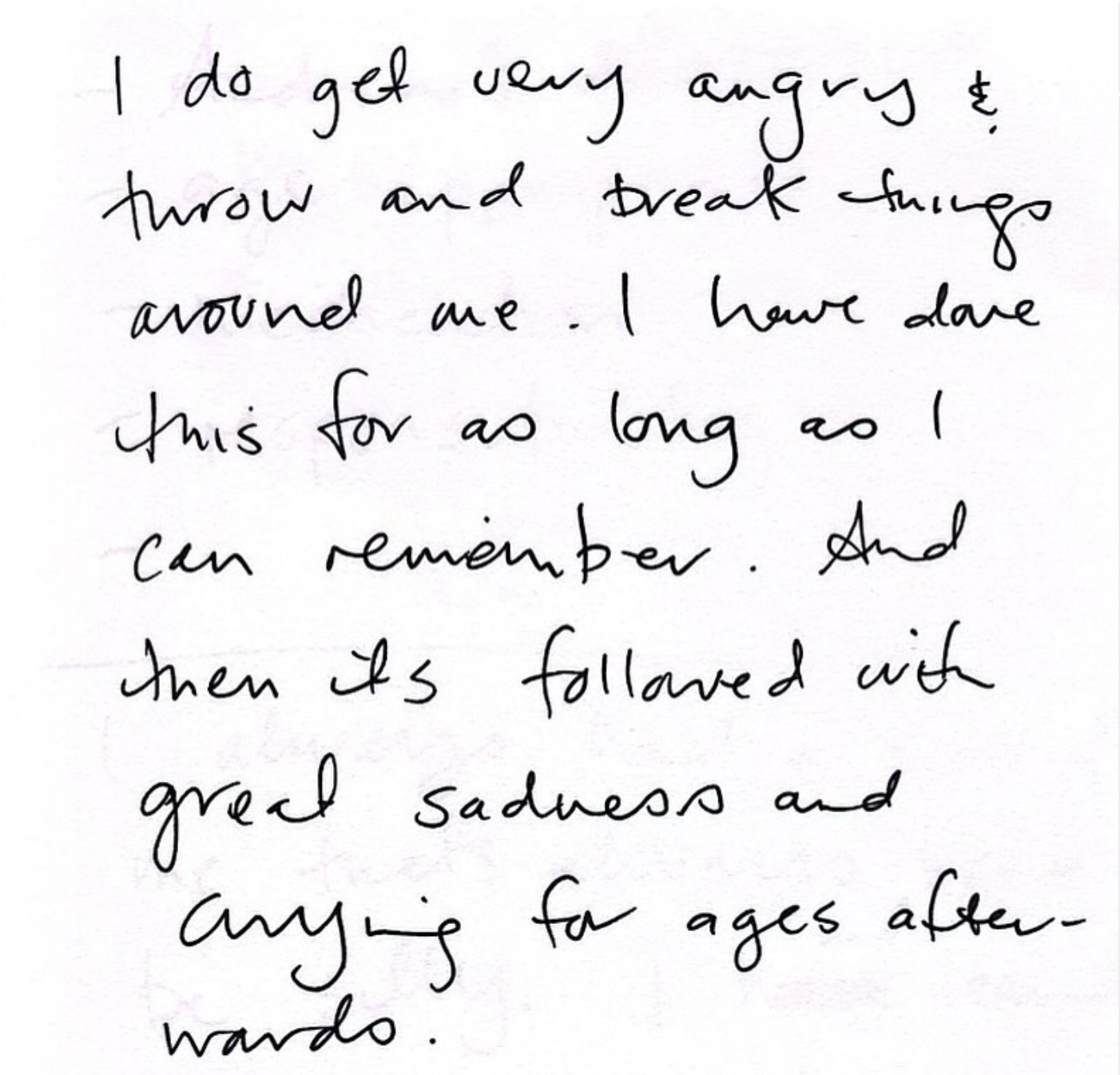
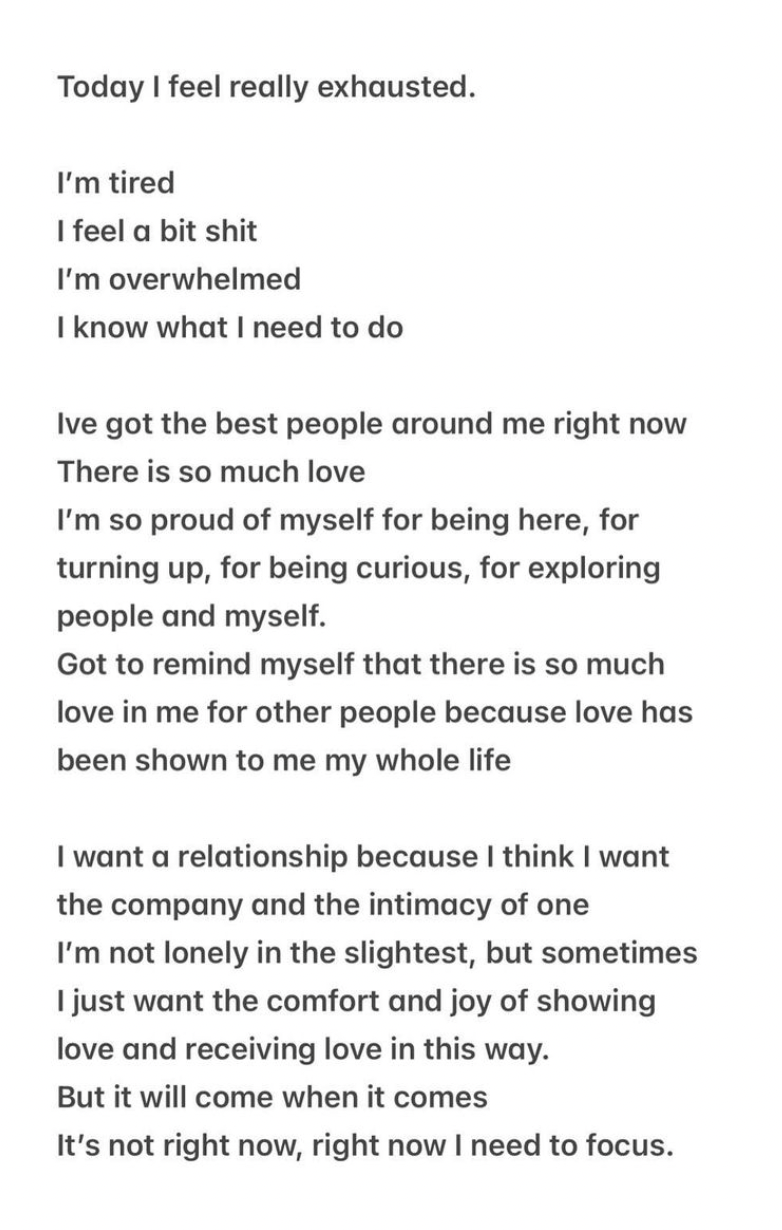
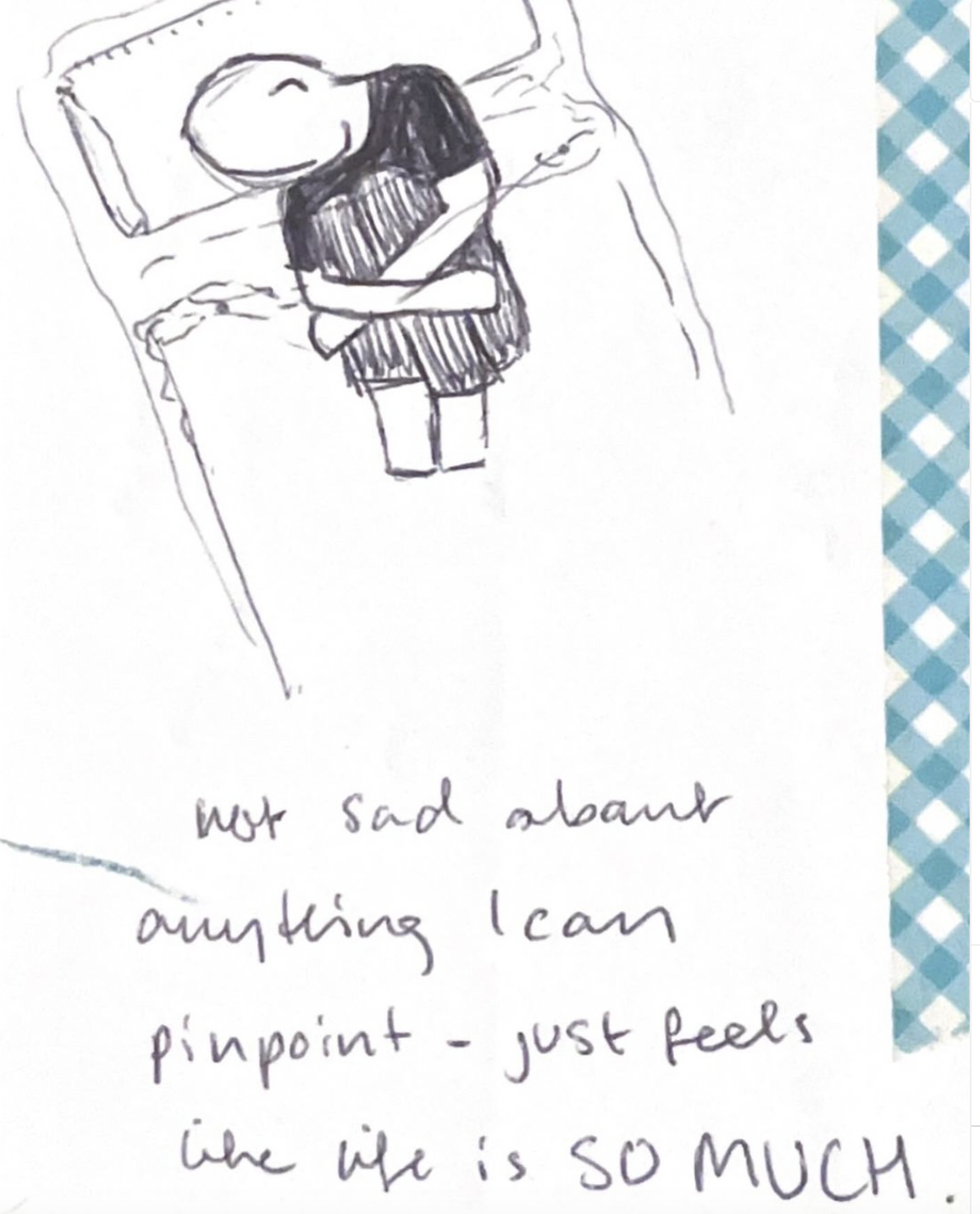
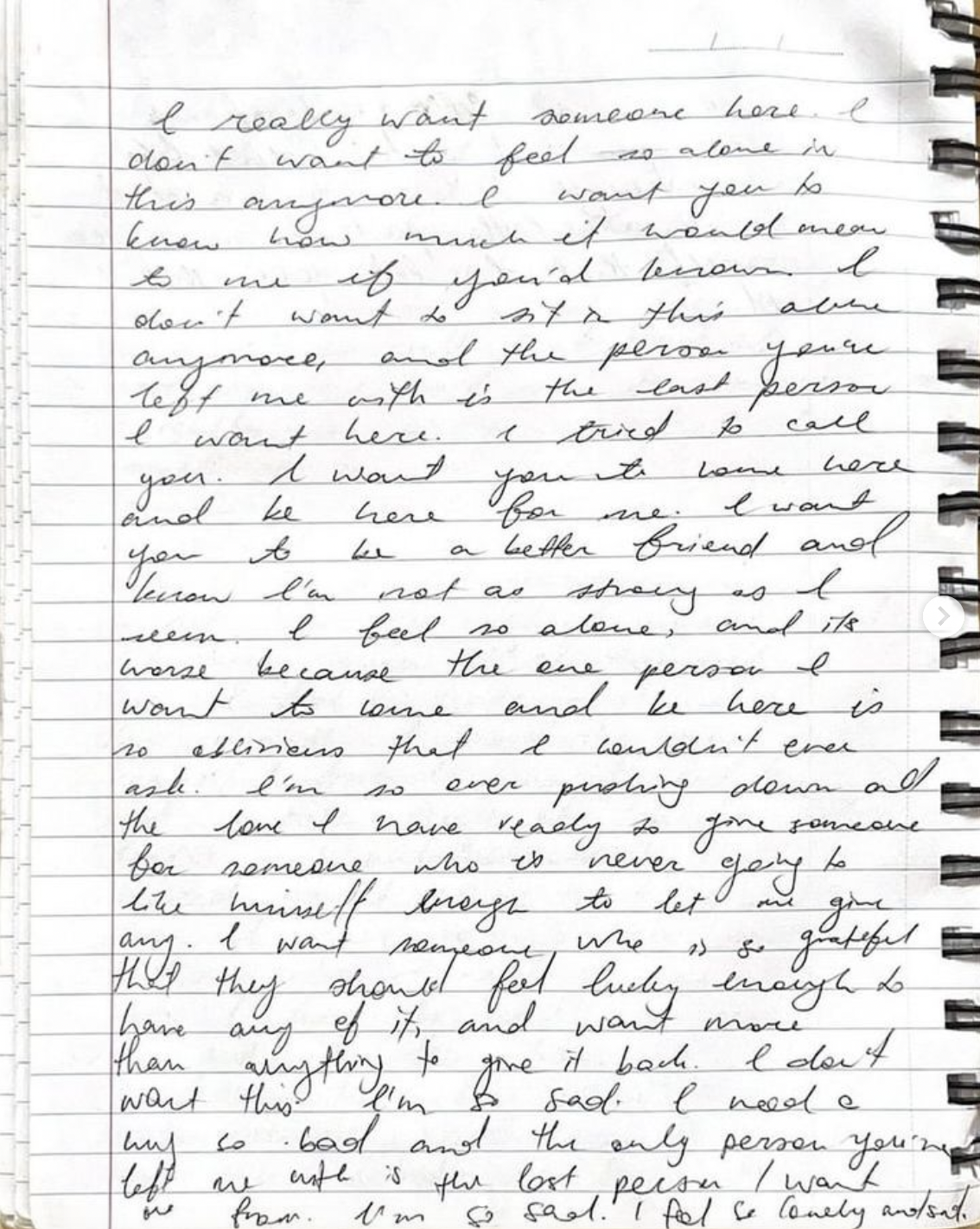
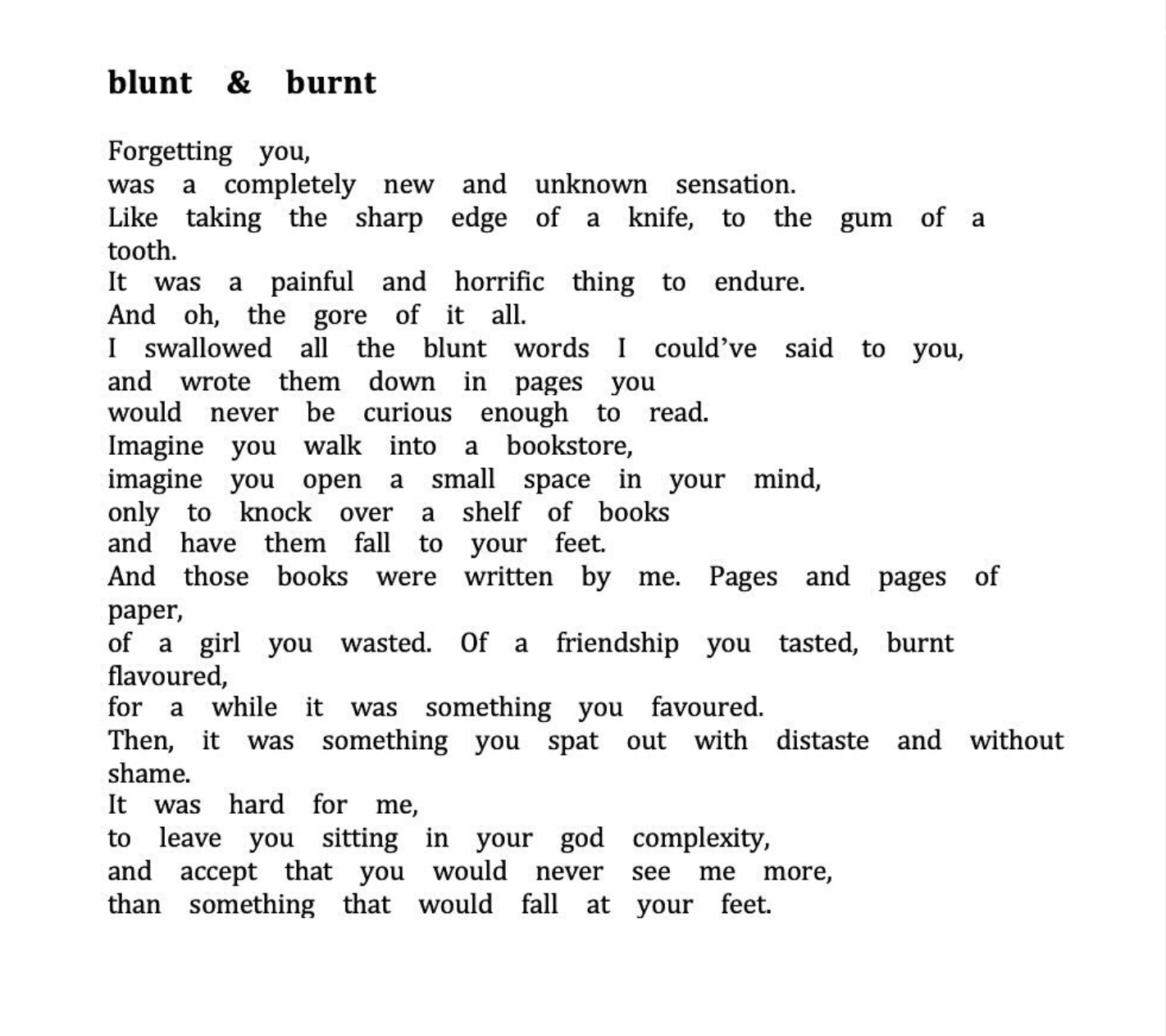
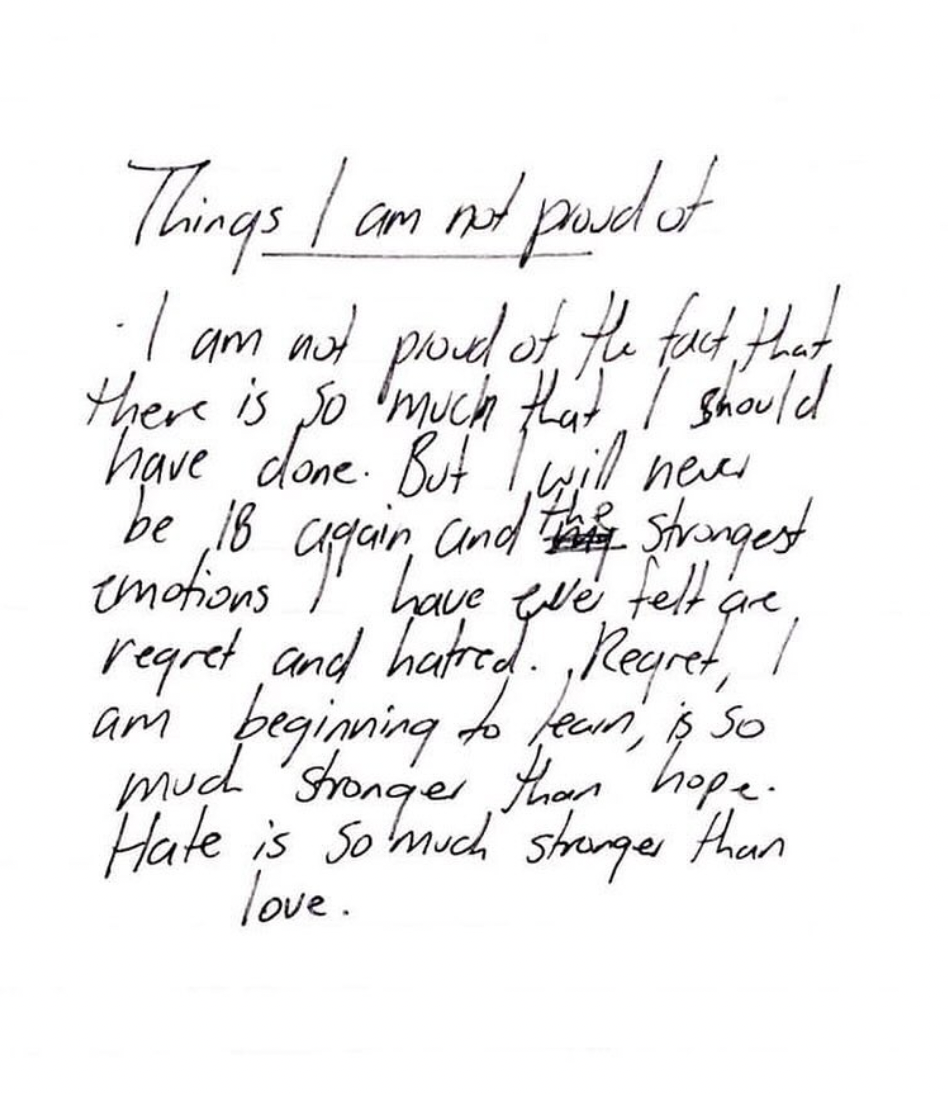
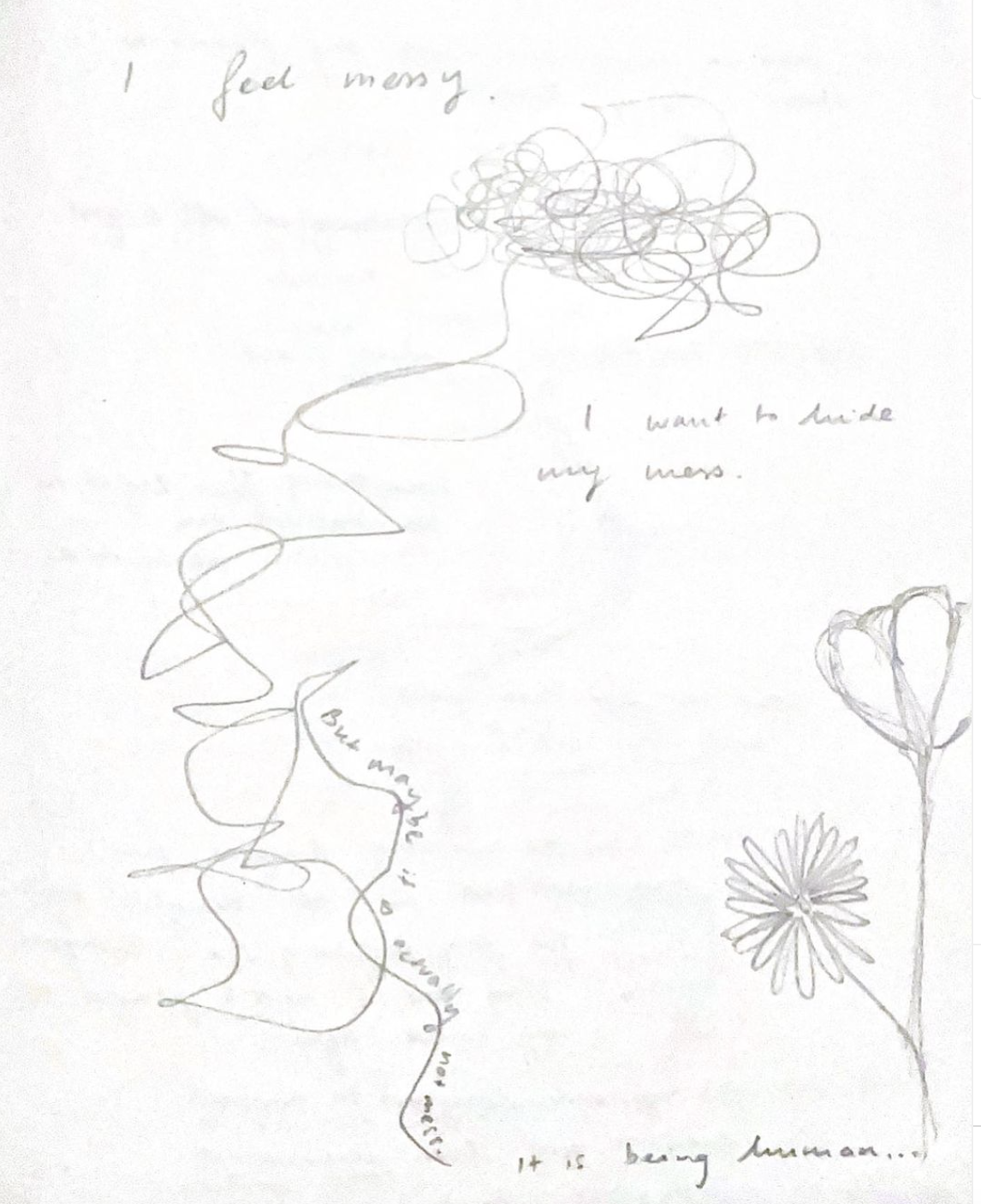
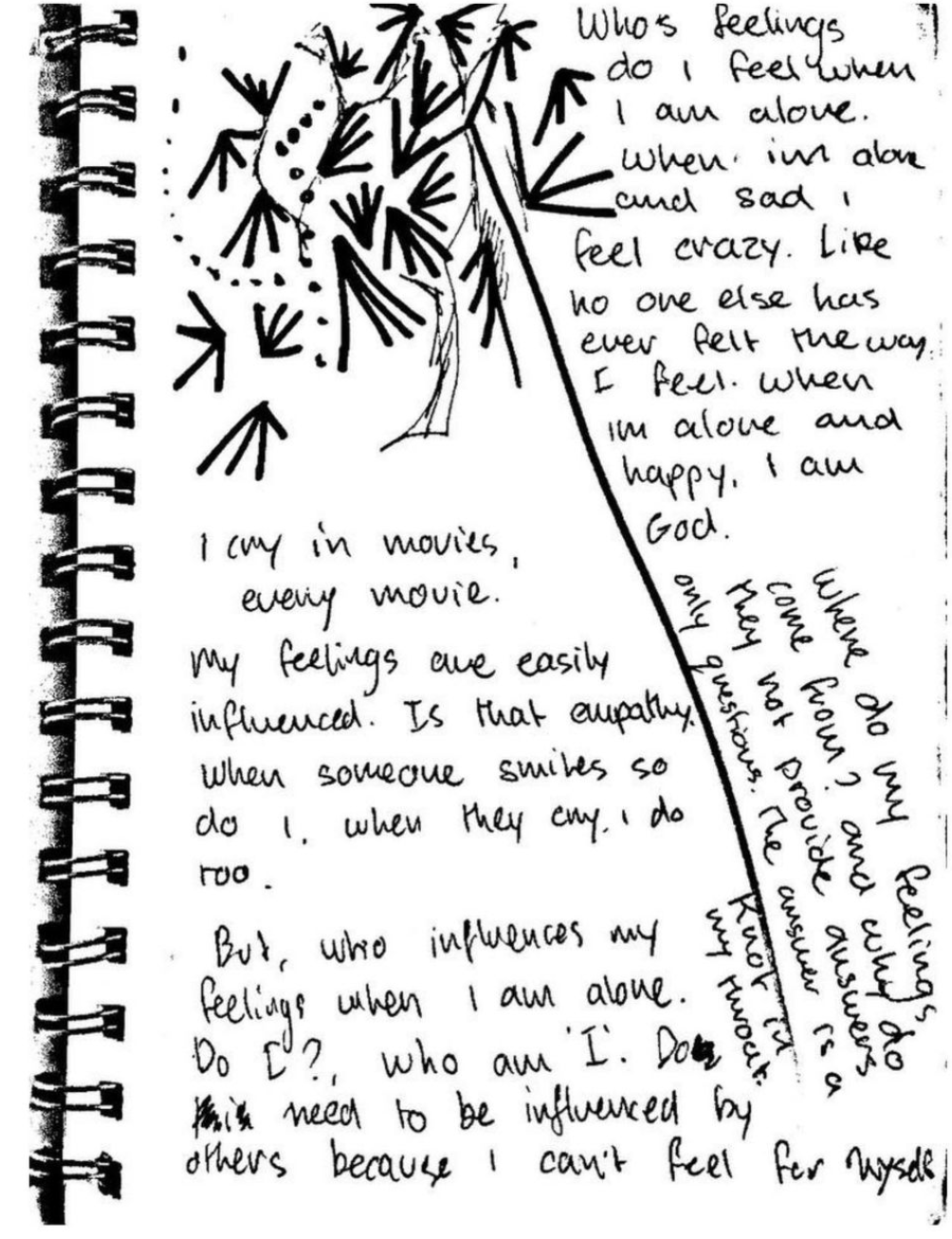
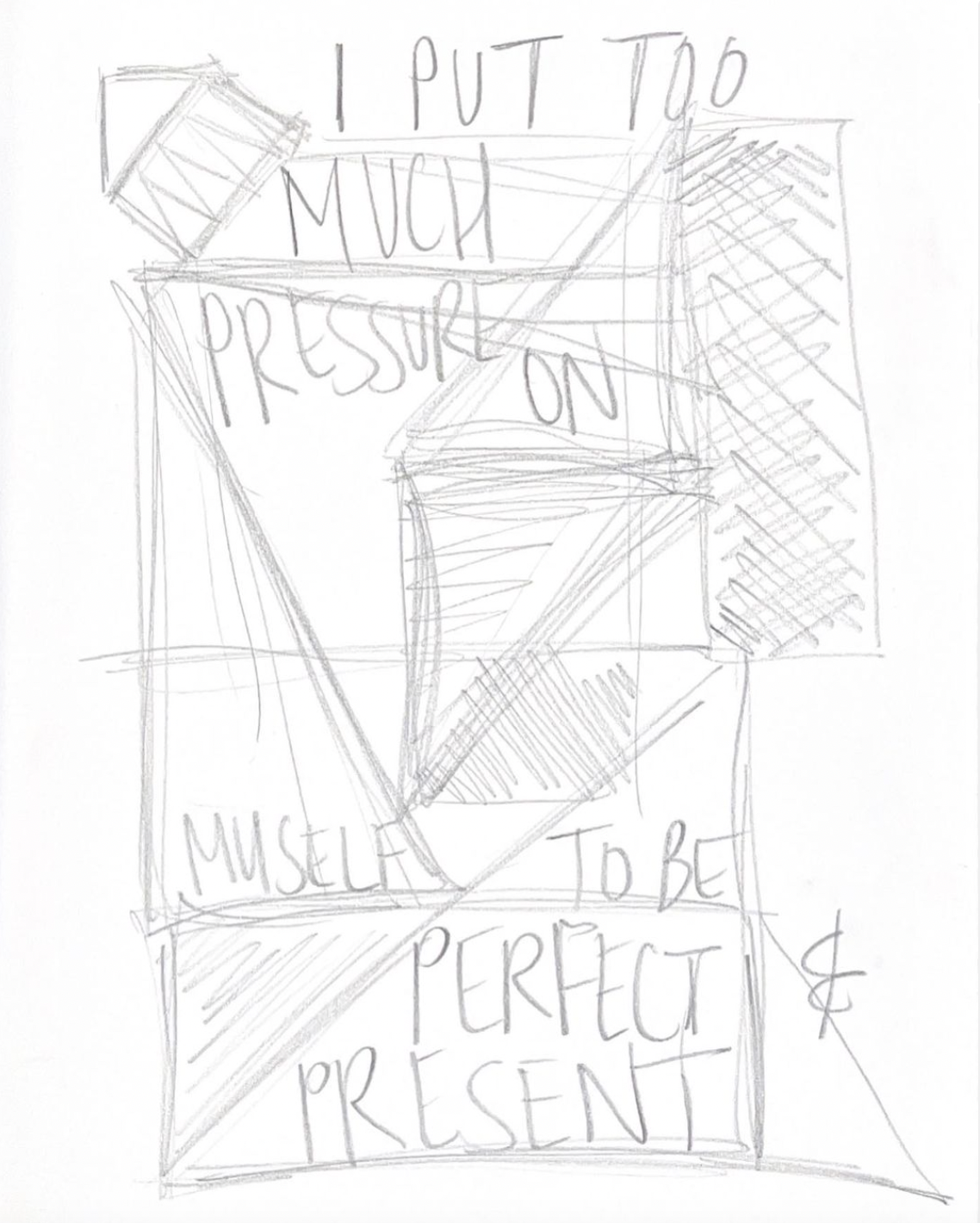
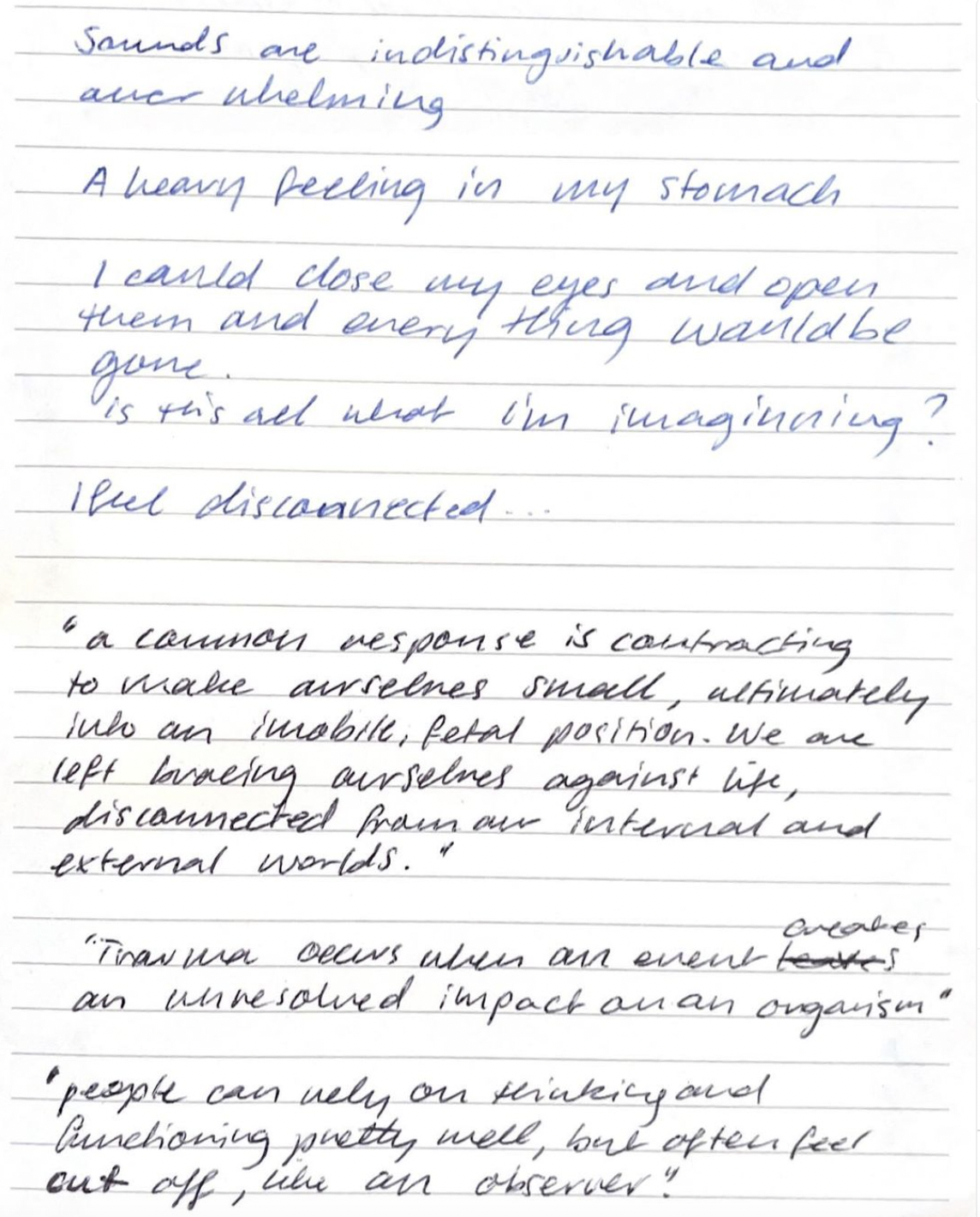
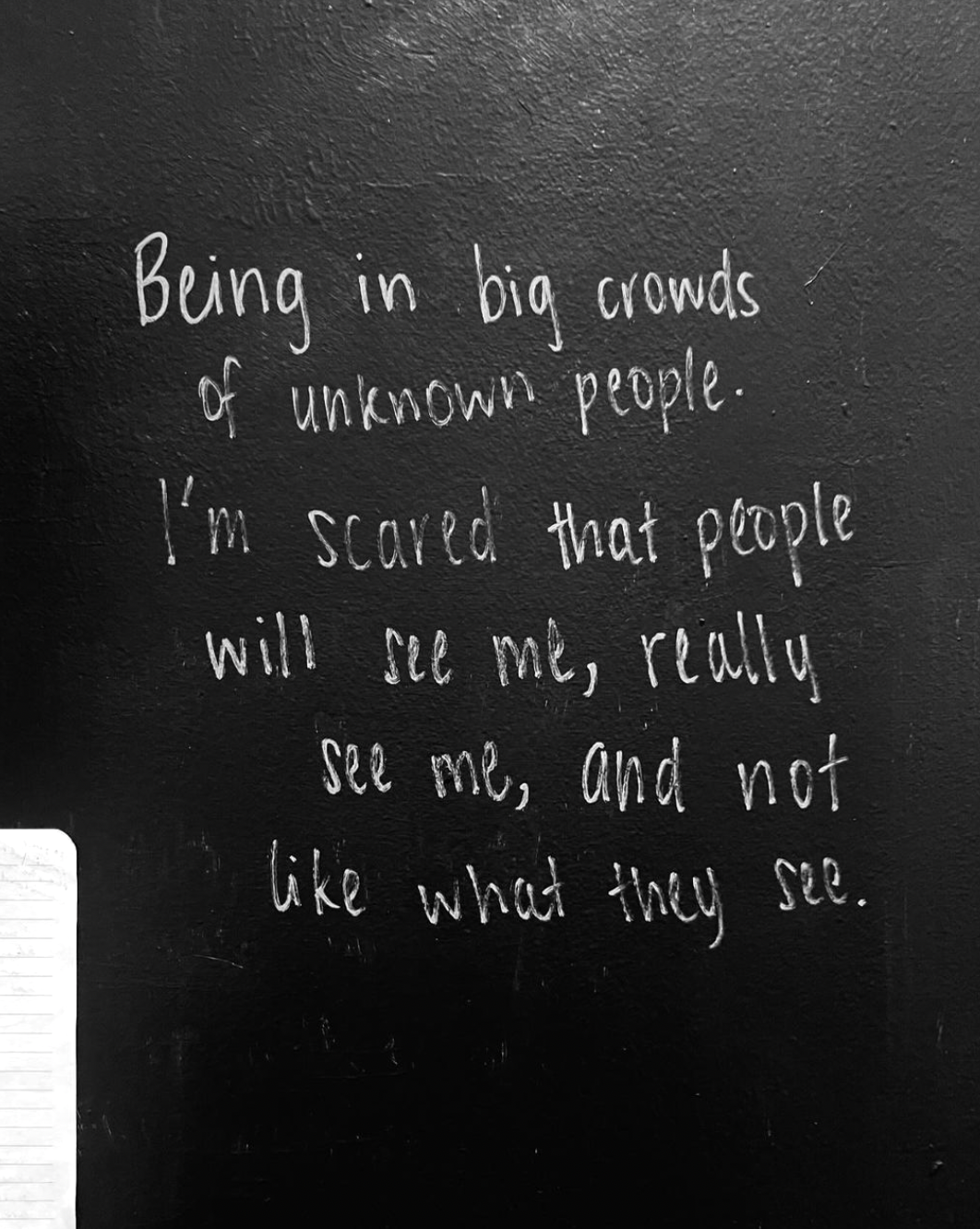
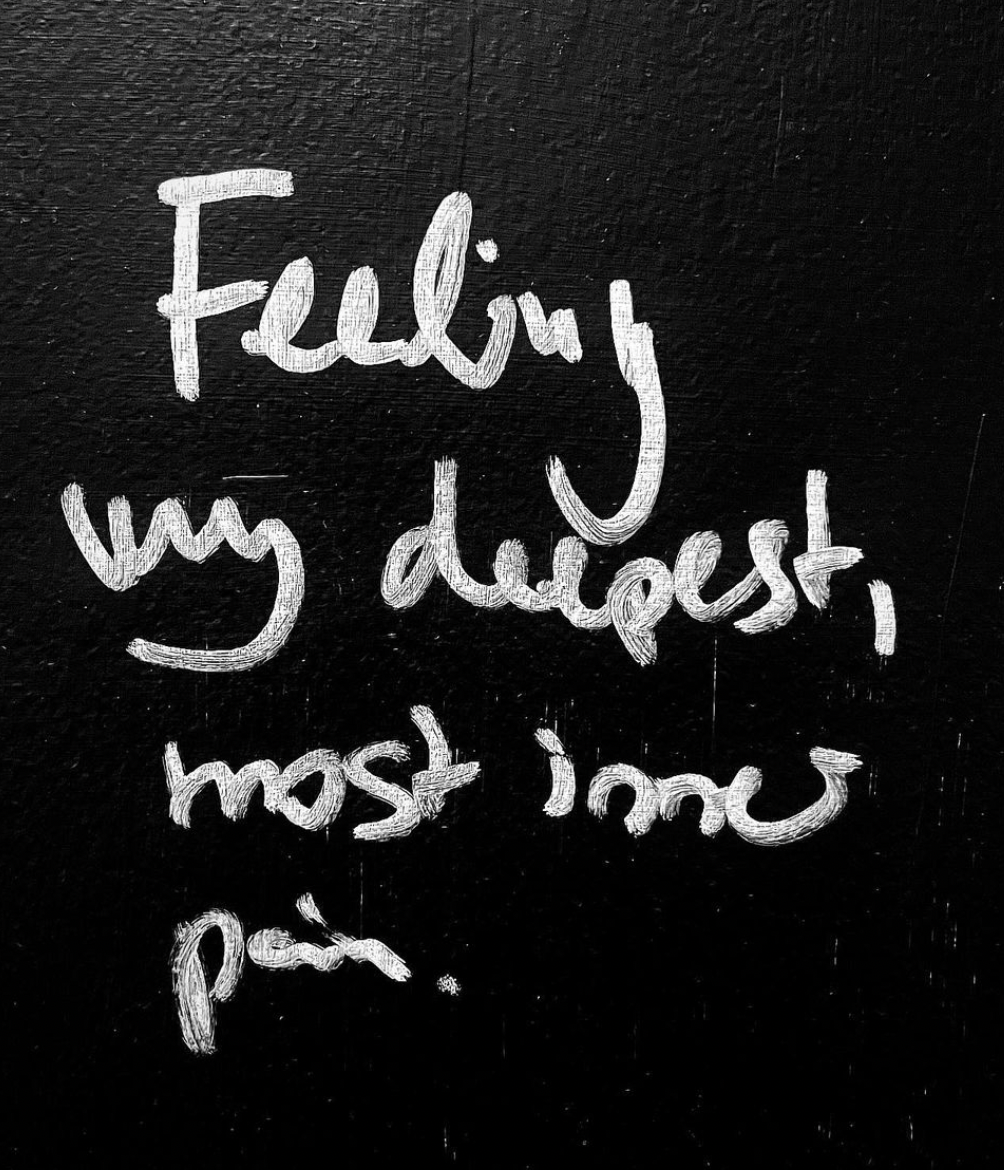
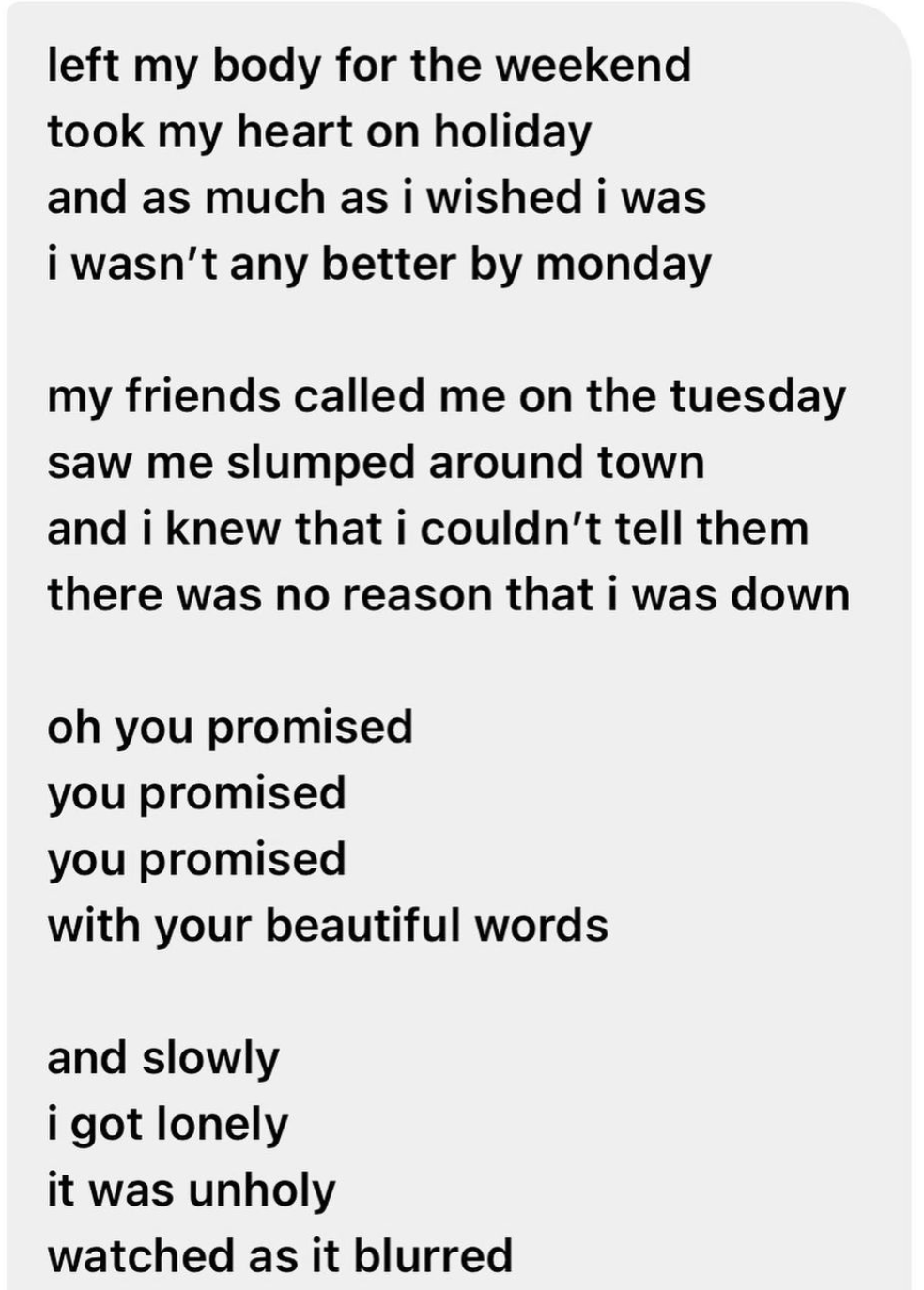
Alongside these entries, Lili decided to expand The Vulnerability Projekt’s online platform through sit-down interviews; unscripted and unrestricted conversations that asked interviewees what vulnerability meant to them. This resulted in her favourite moment from the whole project so far; a conversation with her mum that brought them both to tears.
“I just learned so much about my mother in that conversation. And like, you think you can know someone so much, and I do know her, she’s my best friend, but even still, someone who I’ve had a relationship with for nearly 21 years was just pushed further in that moment by vulnerability,” she said.
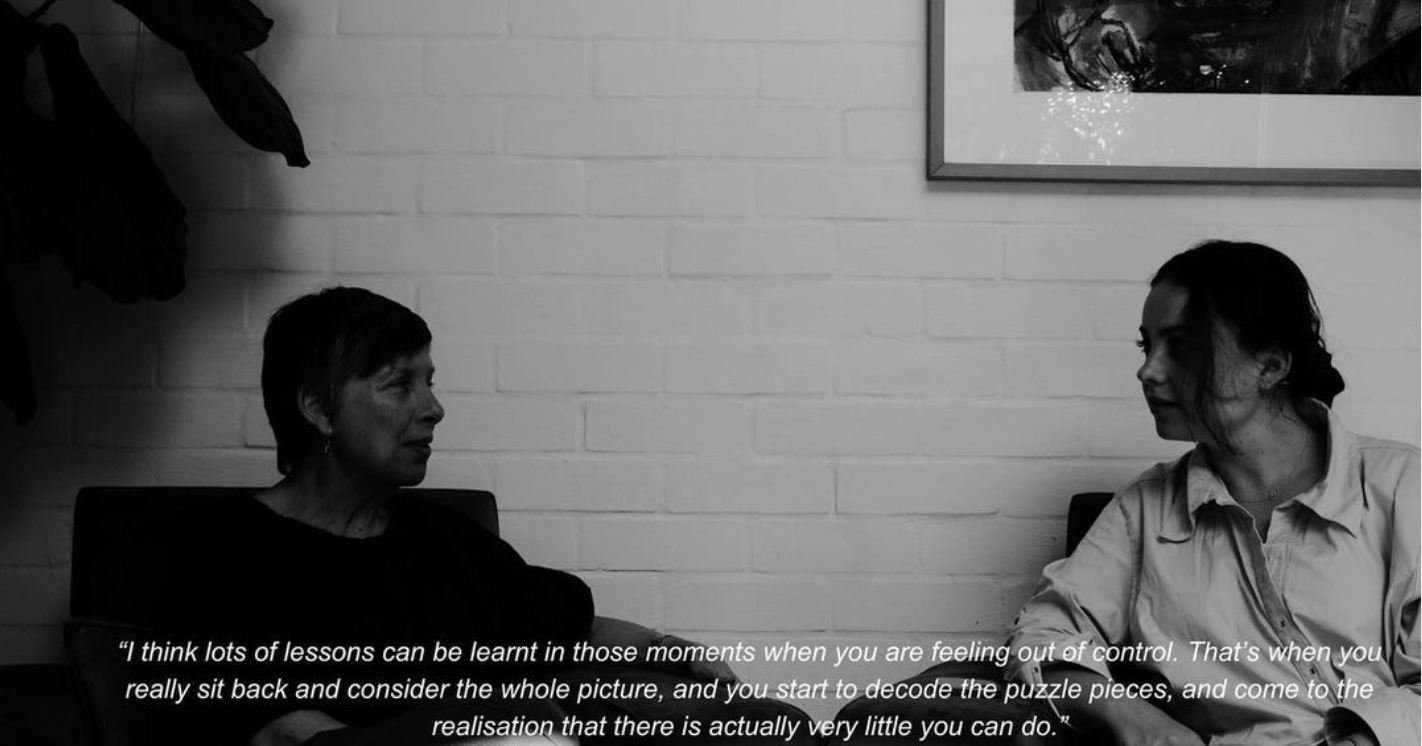
Her mother, who Lili revealed was not the most public person, found herself discussing everything from her first marriage, which they had never talked about before, to our inability to control anything but our reactions. In that moment, as rawness rose to the surface, their connection grew and Lili started to see her mother as more than what her assigned role is in her life.
“And it freaked me out that this didn’t happen before, but I’m just so glad it happened now,” she admitted. “Now we’re kind of like girls together, like it’s you and me mum. We both cried at the end. I had to turn off the camera.”
This moment was a testament to giving space to others and having a safe space for ideas that, in the past, may have felt unsafe or taboo.
However, it’s taken a while for Lili to curate a space that people feel brave enough to enter. While she knows this project feels right, she also admits it still feels unsolved and undiscovered, which she believes is okay. She has had to be gentle with the timing of everything and herself.
“It’s very introspective and I think there’s people who don’t want to be vulnerable,” she said. “As the curator of it all, I’m not forcing anyone to do anything, be anything or give me anything if they don’t want to, or they don’t feel comfortable.” Navigating the anonymity of people, while she admits has been difficult, has also been what has kept the integrity of the project alive. She’s not promoting an art show, but rather promoting people to look at their traumas or their past and offer that for something bigger. She knows that what she’s doing isn’t for everyone, and doesn’t expect everyone to be martyring themselves on social media. That’s not the point. Instead, she hopes people can at least be inspired to be vulnerable with the people they trust.
“I might never know about those conversations. And I don’t think I should,” she said. “I don’t want people to feel like they have to always be vulnerable for art. Art is cool, but you also have to think about what cost it has on yourself, your politics, and your mental health.”
Vulnerability looks different for different people. While it’s beautiful that Lili has created a space where people can share, it’s also beautiful that this space isn’t one that is demanding, but instead is just opening a door for people to peer in and look around.
