
When did I become bound by the shackles of my iphone?
By Kate Saap
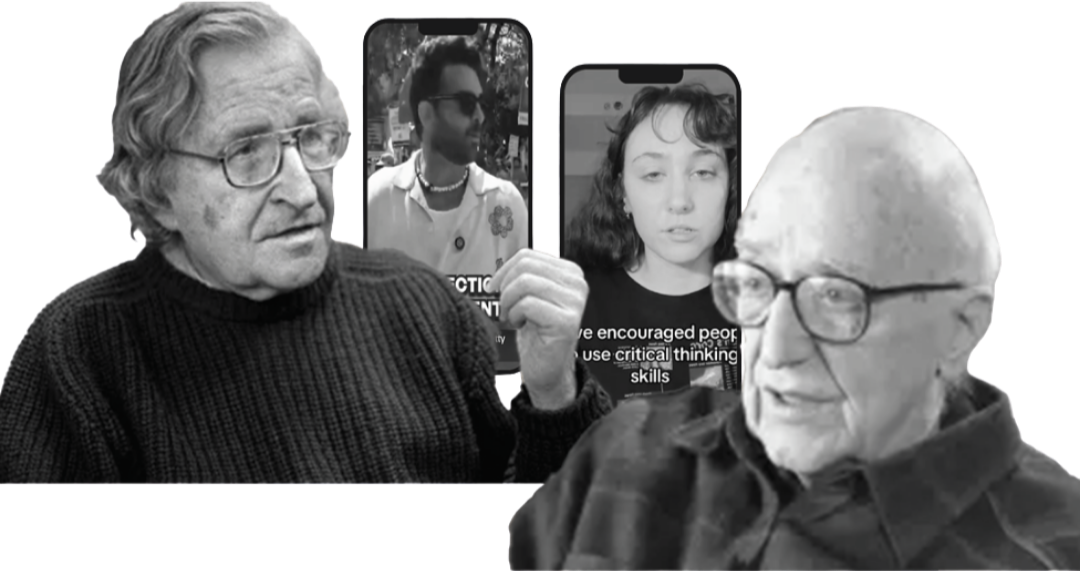
Like many media studies students before me, I own a copy of Noam Chomsky and Edward S. Herman’s Manufacturing Consent: The Political Economy of Mass Media (1988). To be perfectly candid, I purchased a copy of the text, read the prescribed first chapter, and have never picked it up since. Sitting on my shelf collecting dust, it flashes its dusty spine at me; Chapter Two ‘Worthy and Unworthy Victims’ is dogeared, knowing that I will never turn another page. I just like to be known as someone who owns a copy.
Nothing is worth reading anyway unless it comes with an ‘eight min’ indicator in the header.
In a world where you can pay someone to collect your lunch from around the corner, our time is valuable. Not in a metaphysical way, but in a very derogatory sense. If we must optimise every moment according to capitalism and continue to contribute to the market, then we couldn’t possibly spare fifteen minutes to walk away from the desk and get some vitamin D. So of course we need to schedule in eight minutes to read an OpEd — I have a three hour long skincare routine after all. My time is precious.
What Chomsky and Herman discuss still stands: our attention is bought and sold by meaning-making authorities. It’s just that the authority now lives on a device that fits into my pocket and does not leave my side. This is less to do with optimisation and more so the commercialisation of everyday life. We want to signal to our peers that we are informed; these virtues are marked by who we follow on social media or the infographics we share on our story. In effect, Big Smartphone is to blame for the commodification of knowledge.
As we use our phones to engage with the physical world around us, we lose sight of what valuable communication and information mean. The issue with Big Smartphone is that it means we must sign into an account on a third party platform in order to have access to information. Why do I need to follow the right people on Instagram when I should just be able to turn on the TV and find out what’s going on from public service channels? Why do I need to make an account to be aware of what’s going on in my community and surroundings? I wonder if SBS had a minimal-clean girl-tomato summer-core aesthetic, whether internet users would start to repost their Instagram infographics.

My problem is not against staying informed. I am asking you to consider who you pay your attention-currency to. Traditional mass media and public service media are years behind the quality and reach of online-only news outlets like The Daily Aus or Impact. Being aware of world issues has shifted from an expectation to a strange, gatekept knowledge-club.
Information is not reported based on its newsworthy-ness, but its potential to go viral. Fear mongering and clickbaiting, to me, exist in the same realm. They both aim to capture the largest amount of our attention (or rather, our time) possible. Since attention is currency (the more watchtime videos get, the more advertising they can accept), news reports are often constructed in a similar format to MrBeast or David Dobrik’s productions.
It is so easy to be led by misinformation. This doesn’t only happen online though. People need to be aware of who is funding their news and where their attention-currency goes. Everytime I find another media outlet has been acquired by NewsCorp or Fairfax, an angel loses their wings. PSM works because it is funded with taxpayers money who then, in theory, should care about seeing that money used for good.
Some people might push back and say that having access to independent public service media is a privilege since many don’t trust their governments or the quality of paid outlets is better. I don’t think that good news journalism or criticism should only be accessed behind a paywall. Is it not then obvious that good, trustworthy news ought to be a right?
If traditional meaning authorities no longer hold cultural capital, then where ought we look to for guidance? Influencers? Content creators? Podcasters?
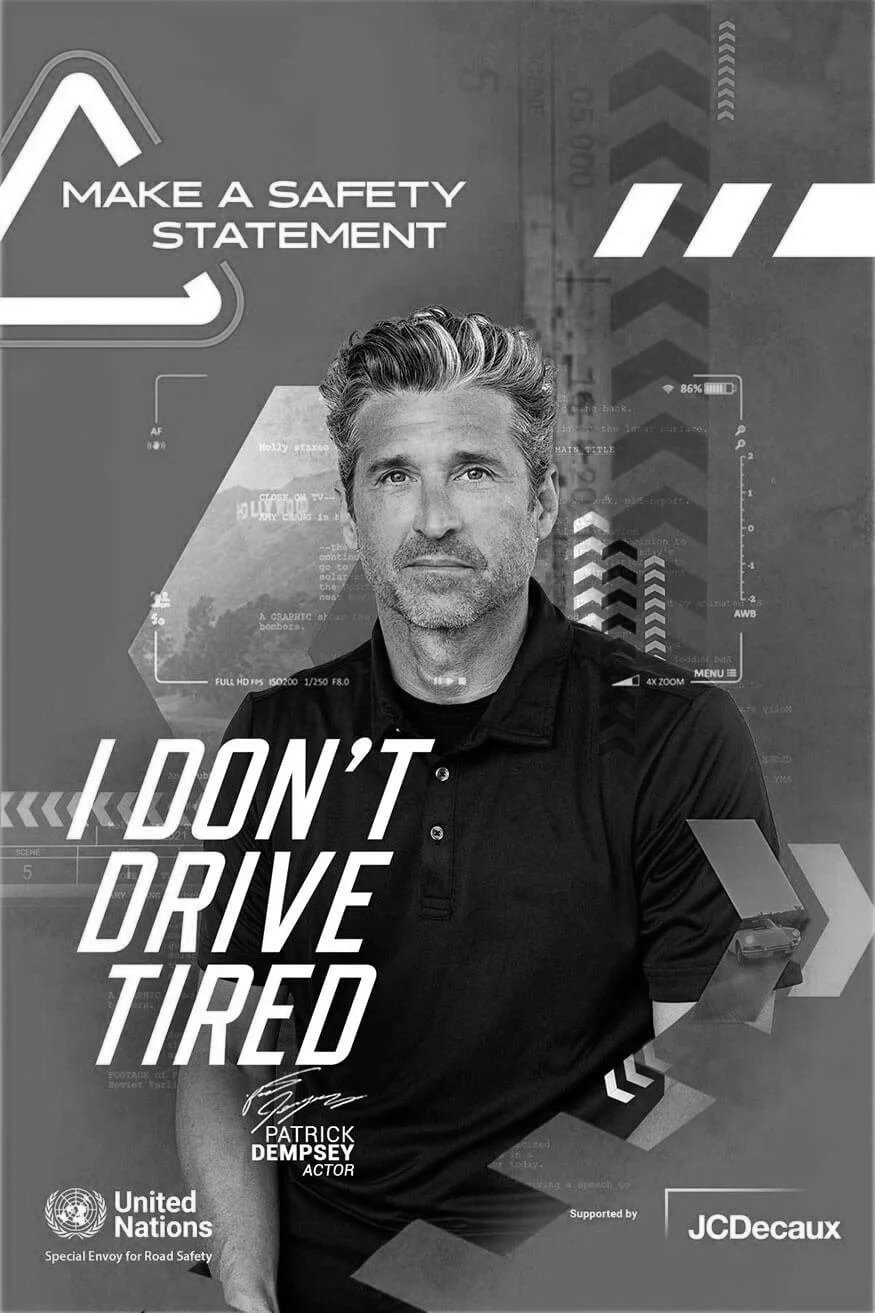
I’m reminded of a billboard I saw in New York earlier this year. Patrick Dempsey was informing passers-by to practise safe driving and put on a seatbelt. The New York State road safety authority (whatever it’s called, I didn’t have time to notice) paid an actor who played a doctor for many years on Grey’s Anatomy to tell the public to wear a seatbelt or else they’d end up in hospital. This man is not a real doctor. And it made me wonder if New York State knew that too. The justification I made here is that his character, Derek Shepherd, was on screen for eleven seasons as a medical professional, therefore people immediately draw the connection to health and wellbeing when they see his face. Even simpler: people find him attractive so they listen to what he has to say.
Celebrity endorsement is not limited to billboards. I am embarrassed for people that need Billie Eilish to tell them who to vote for, or are reliant on Brittany Broski to remind them to register to vote in the first place. Would it not kill you to get off your iPhone and read a candidate’s policy statements rather than share Gen-Z-oriented propaganda on your story? I am no better than my peers: RuPaul taught me how to change a tyre on TikTok. I do think that this kind of influence is powerful and it is important to use your platform in times of extreme crisis, but only using celebrities as your beacons of political thought is not a means to get solid, reliable information (unless you are Slavoj Zizek, Hasan Piker, or Chappell Roan).
All we have as net-citizens and knowledge seekers is our ability to spend our attention-currency in the right ways. Removing yourself from the idea that politics is a performance and starting small is a great way to get started on your journey towards loving the old reliable public service broadcasting. The benefits it has had for regional communities can be reflected in our own consumption of media too (see WIN, NITV, and the CBAA network). This process is about self-discovery and realisation. By de-influencing ourselves (please unfollow people you haven’t engaged with since year seven), and focusing more on grassroots, localised issues, you become connected with your immediate community which has enormous positive outcomes. The rental crisis does bring some push back to this statement but it’s beyond the scope of the argument.
What I’m asking is that you think more about where you are spending your attention-currency. In the ephemeral words of Jacob Elordi at Toronto International Film Festival and Jemima Kirke on Instagram: “people need to get out more.”
