Alice White: on catching a memory
Photography and words by Alice White.
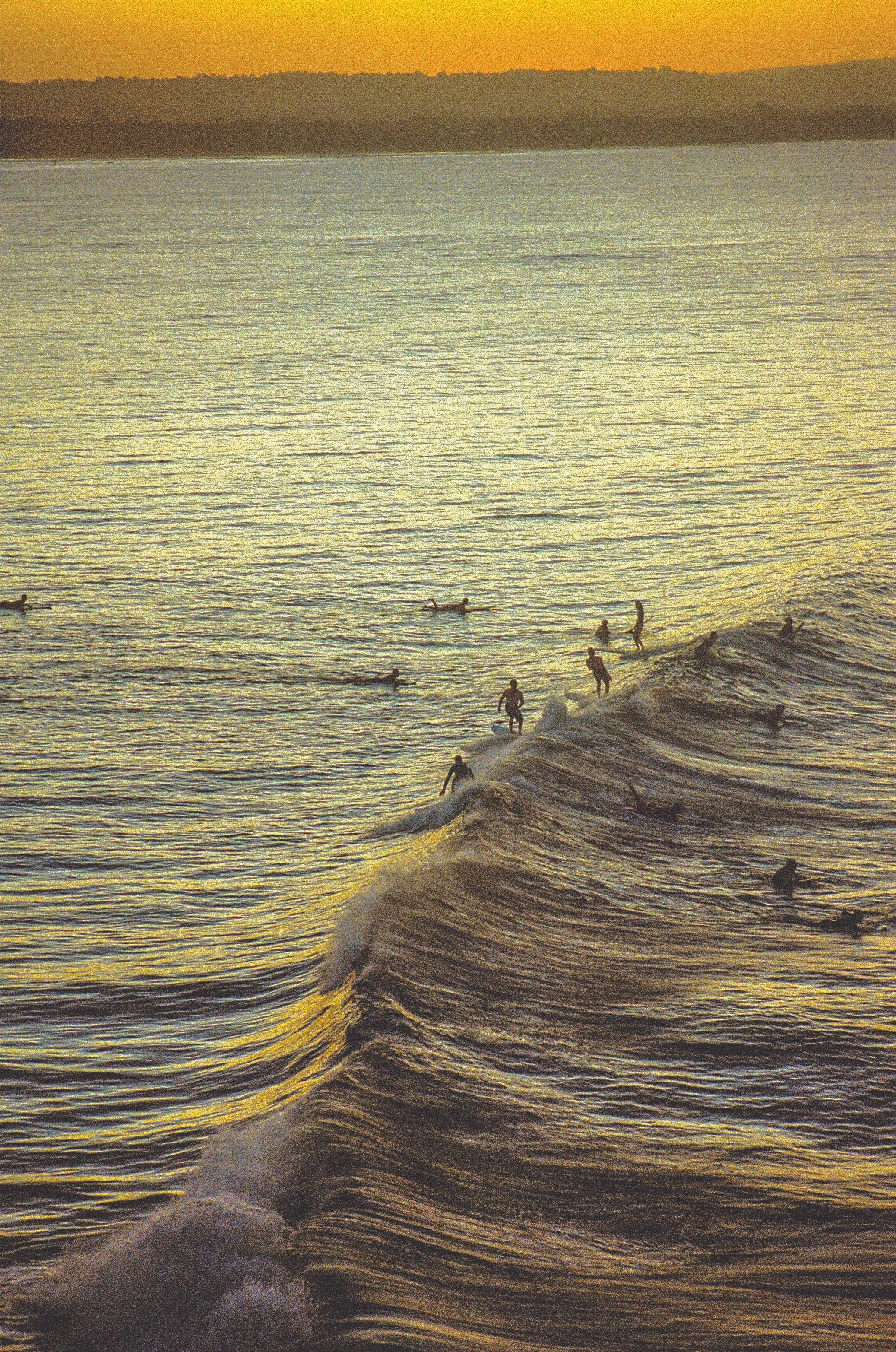
I have always been someone who feels deeply about the world around me, as if the universe is a vast equation that I am meant to solve. In my childhood bedroom, there were these pink and green stained-glass windows above my bed. Even now, when I close my eyes, I can picture them, along with the endless conversations that would flood my mind as I gazed out of them. Before falling asleep, I would lie there, contemplating the immensity of the world and wondering what my place in it would be. I knew, even then, that there was magic in finding beauty in the smallest things, and that I owed it to myself to never lose that. While the world shifted and spun, this perspective remained; the constant undercurrent shaping who I am, fueling both my creativity and my outlook on life.
From a young age, the largeness of my feelings created this desire to experience life to its fullest. I would attach sentimentality to even the smallest of emotions and moments. Yet, as I grew older, often without realising it, this perspective began to shift. Dreams once fueled by childlike wonder transformed into something that could only be understood through the lens of adolescence—a feeling that children could never know but one adults too easily forget. A haze of hope and confusion, a feeling suspended between innocence and the awareness of the world’s complexity.
Now, as an adult, I find there’s no single word to capture this feeling, this consciousness. I spent much of my youth chasing it, trying to intellectualise it, to document its rarity somehow. What makes life so bittersweet is that, in those fleeting moments, we don’t yet have the tools to recognize just how ephemeral every instant truly is.
Milestones came and went, and what I thought would be the beginning of new chapters were, to me, just endings. What had once been a vibrant, beautiful part of myself gradually transformed into a sense of mourning—mourning memories I would never relive and moments that would never come; a state of premature nostalgia. I began to see the passing of time as an enemy, a double-edged sword.
Beneath all the layers, you could say that I was so terrified of forgetting that I forgot to live.
Even during my happiest moments with friends, I found it hard to be fully present. I was always overshadowed by the realisation that those moments, too, would inevitably end. It was as if I was grieving the loss of experiences before they had even passed.
These feelings only grew when COVID hit. I had all the time in the world and yet I filled it with consuming every form of media I could find.
Immersing myself in other people’s narratives seemed to slow down the one unfolding before me. But in the end, it all felt so lifeless, so surface-level. When the world keeps moving and all sense of control is lost, you learn to be grateful for the present—or it will leave without you.
Having the time to sit with myself is likely something I may never experience again. It gave me the space to reflect and recognise that there were areas of my life that no longer served me. In those moments of stillness, I realised I had lost sight of what I truly valued in life—and the magic within that. In the absence of being with those I loved, I promised myself that when I could share those moments again, I wouldn’t take them for granted.
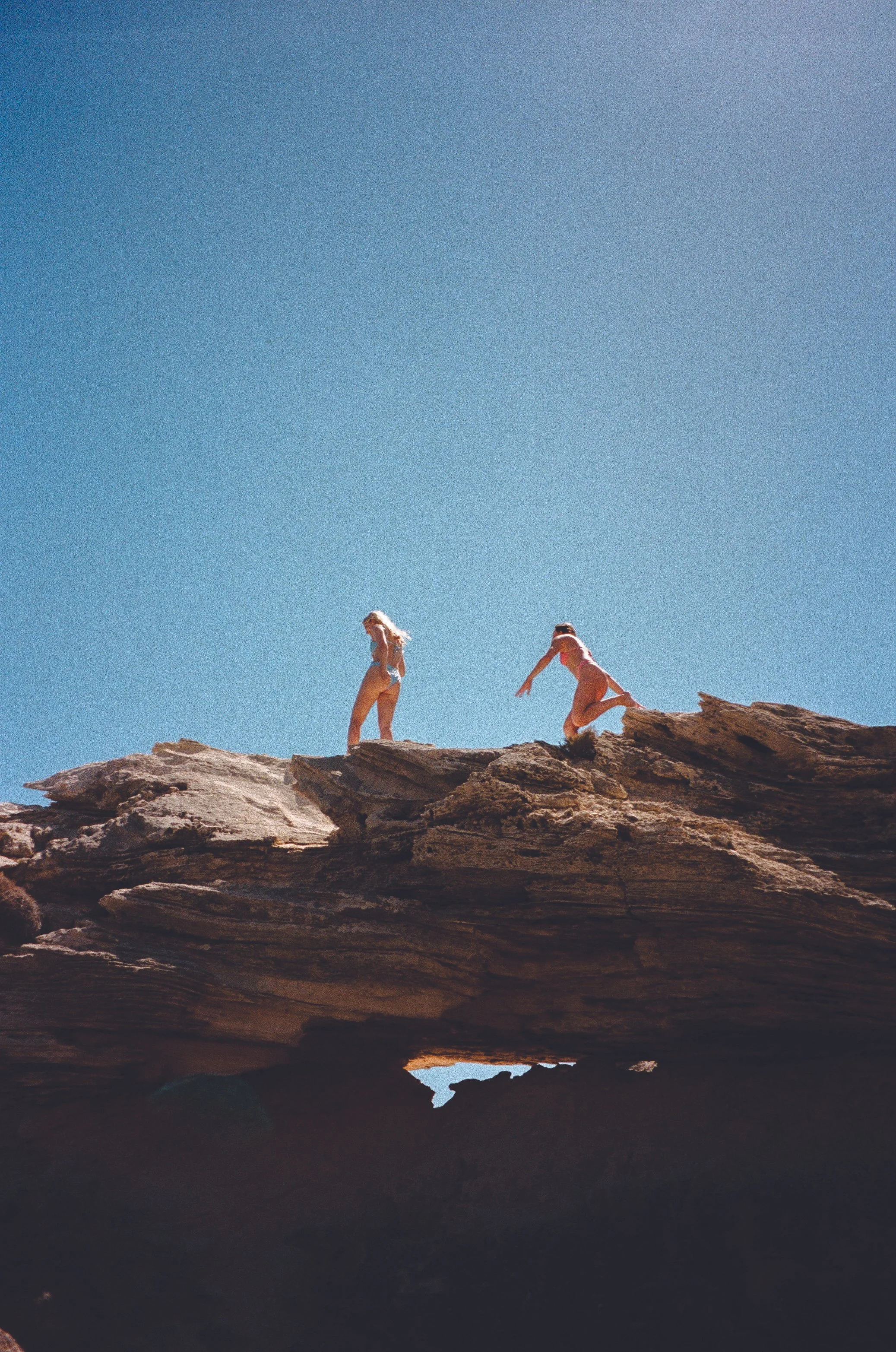
Surrendering to time is by far one of the most profoundly human experiences you can have. It’s the realisation that time isn’t an enemy, but rather what makes us human.
The gods themselves envy our fleeting moments, for it’s the finiteness of time that makes everything so special.
Any moment could truly be our last, and there’s both beauty and a sense of hopelessness in knowing we can never experience the same moment twice. This realisation led me to purchase a film camera—a means to capture memories in their purest form. Rather than pulling myself away from the present in an effort to remember every detail, I entrusted this task, those moments, to my camera.
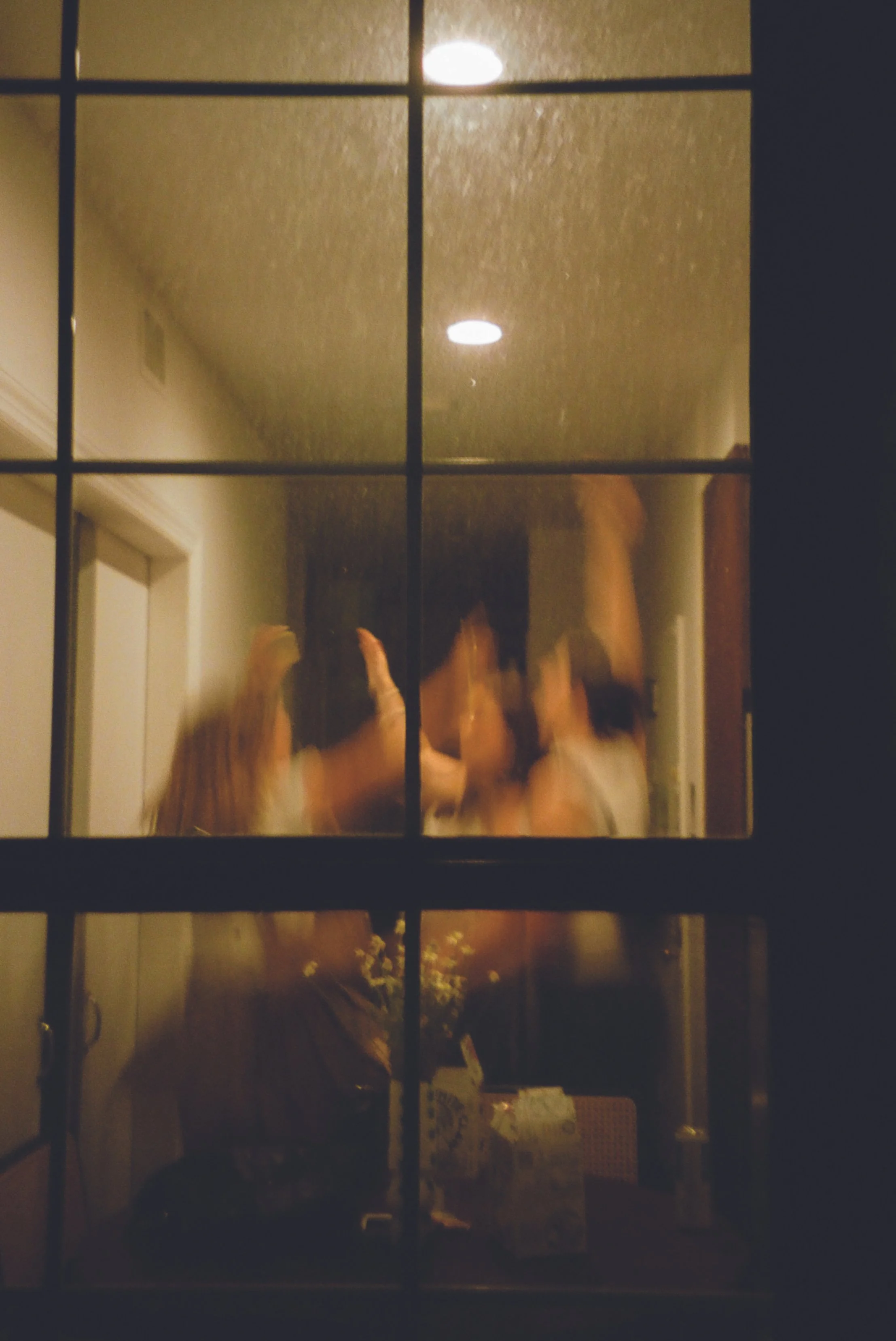
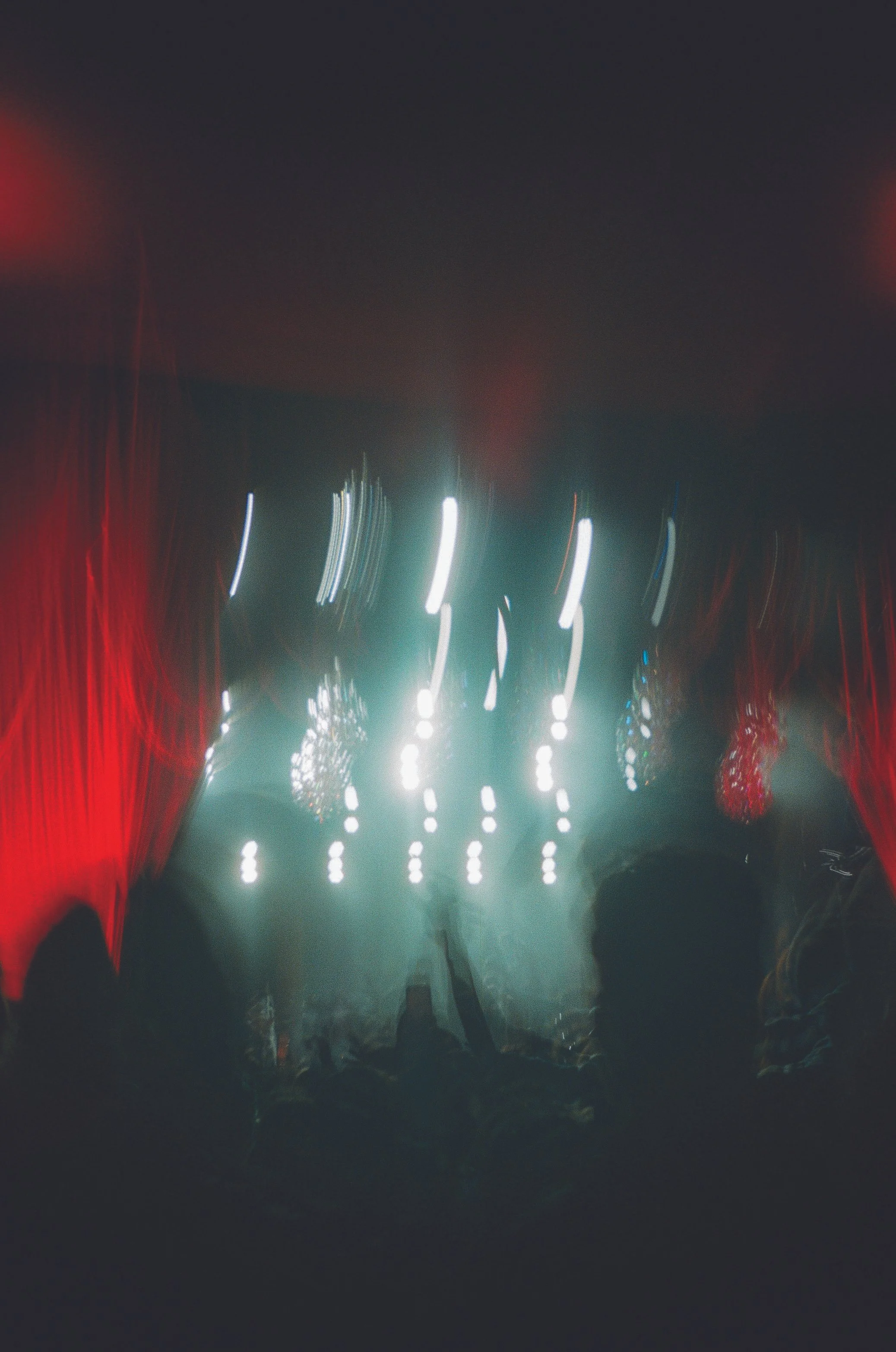
Film allows me to capture emotions in a way that digital never could. You can’t go back and retake or replicate the same photo. I couldn’t check if the shot was perfect, just as I wouldn’t remember if the moment was perfect. There was always something poetic in that for me—art imitating life.
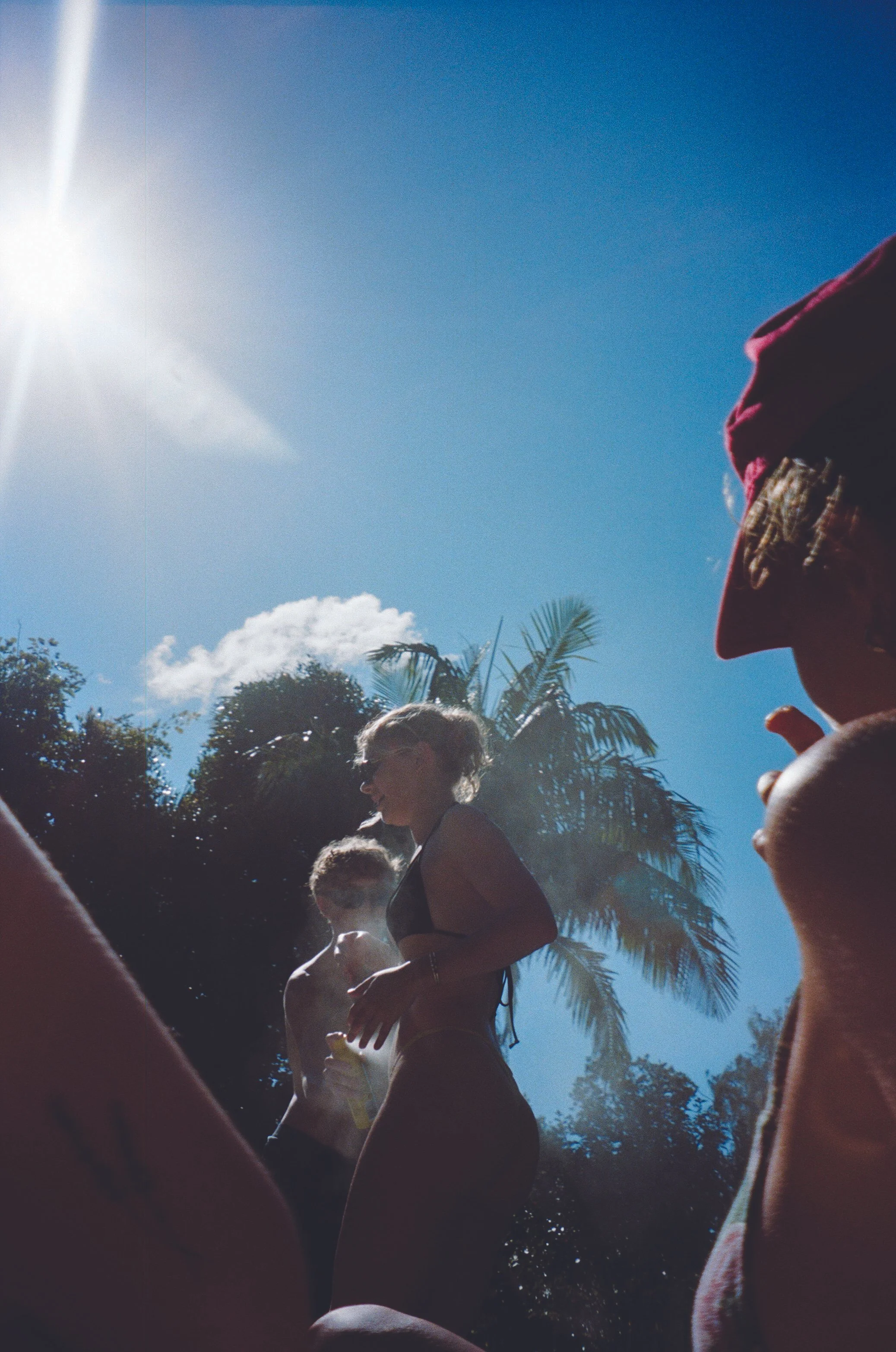
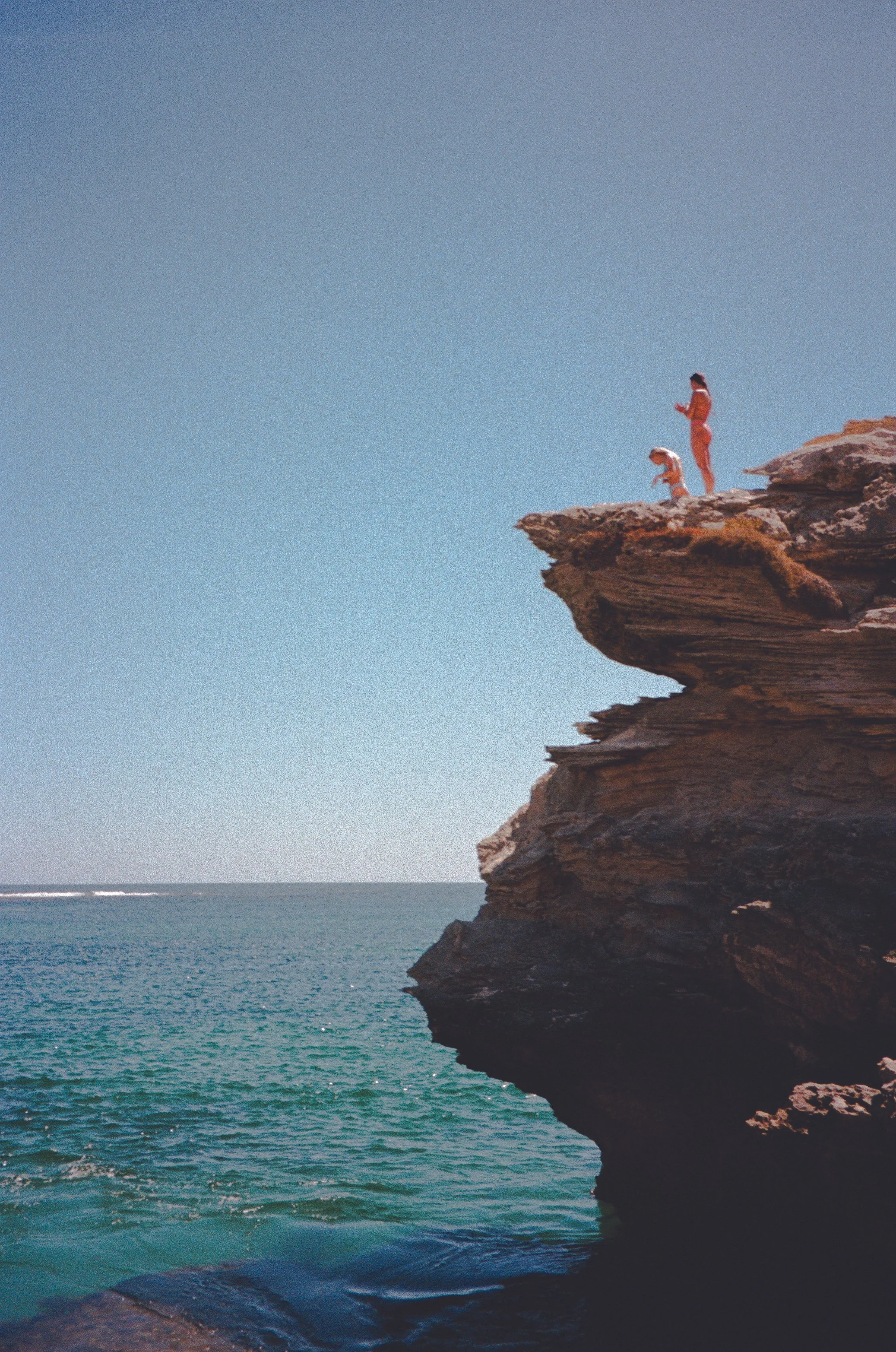
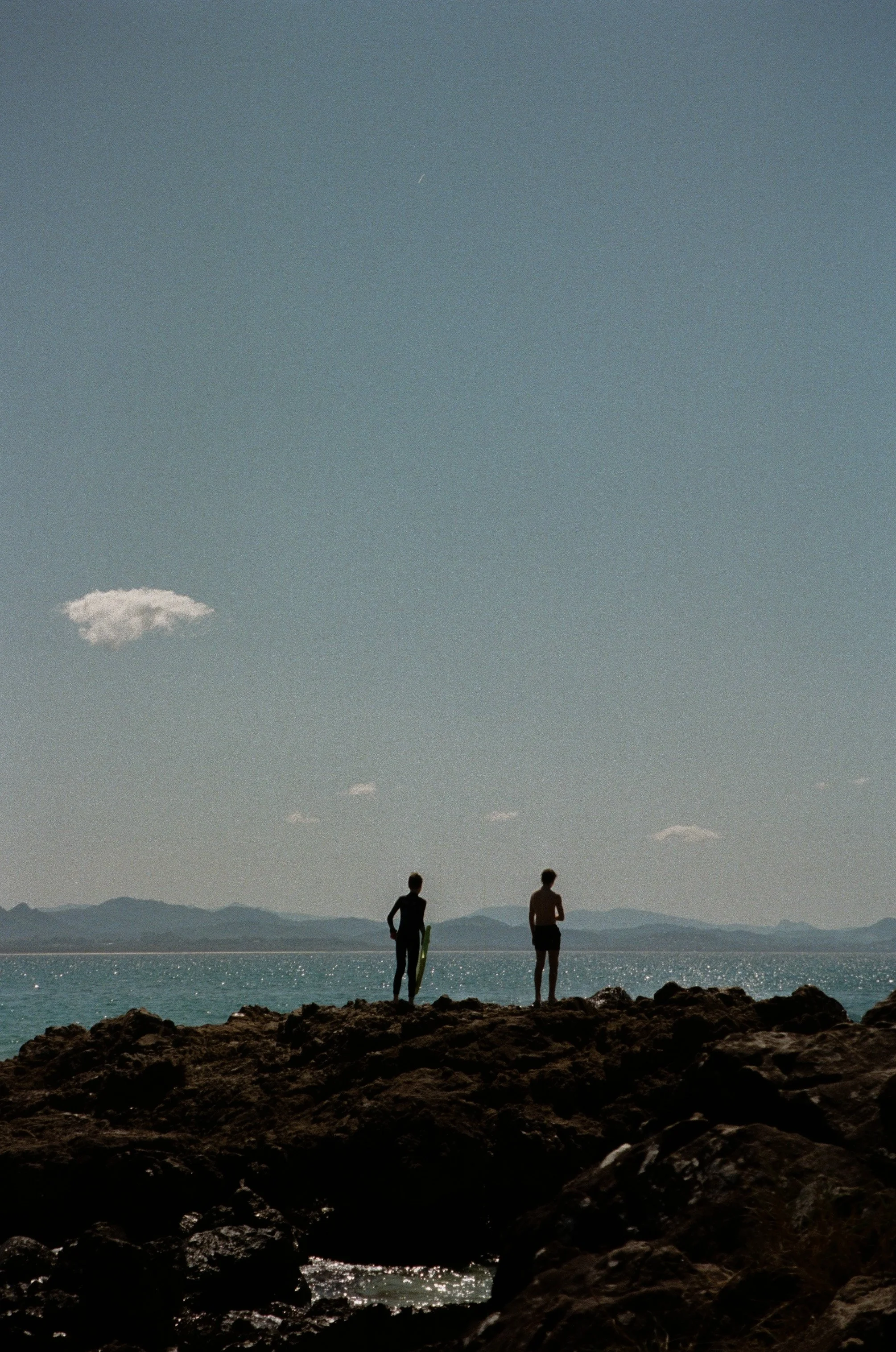
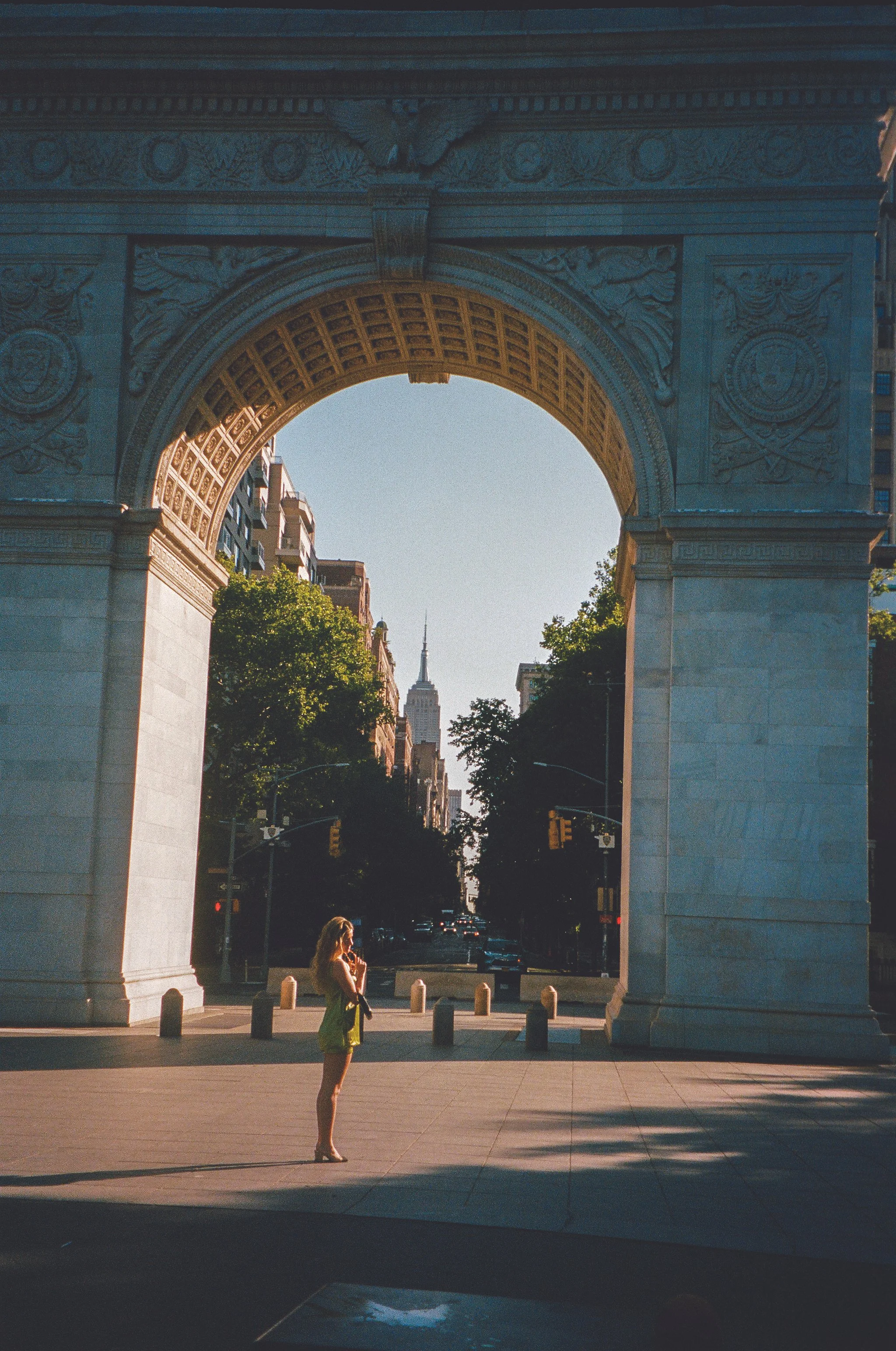
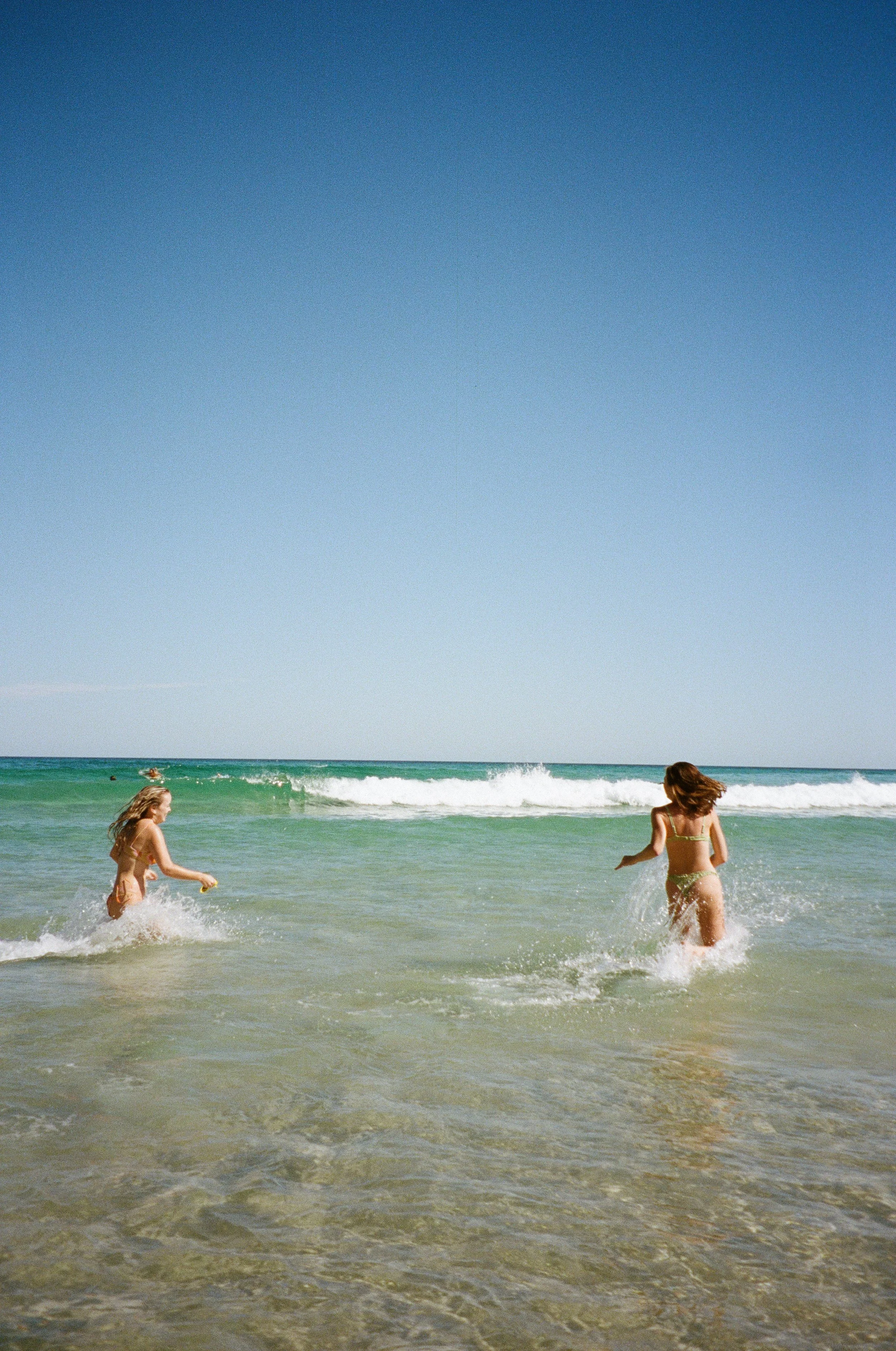
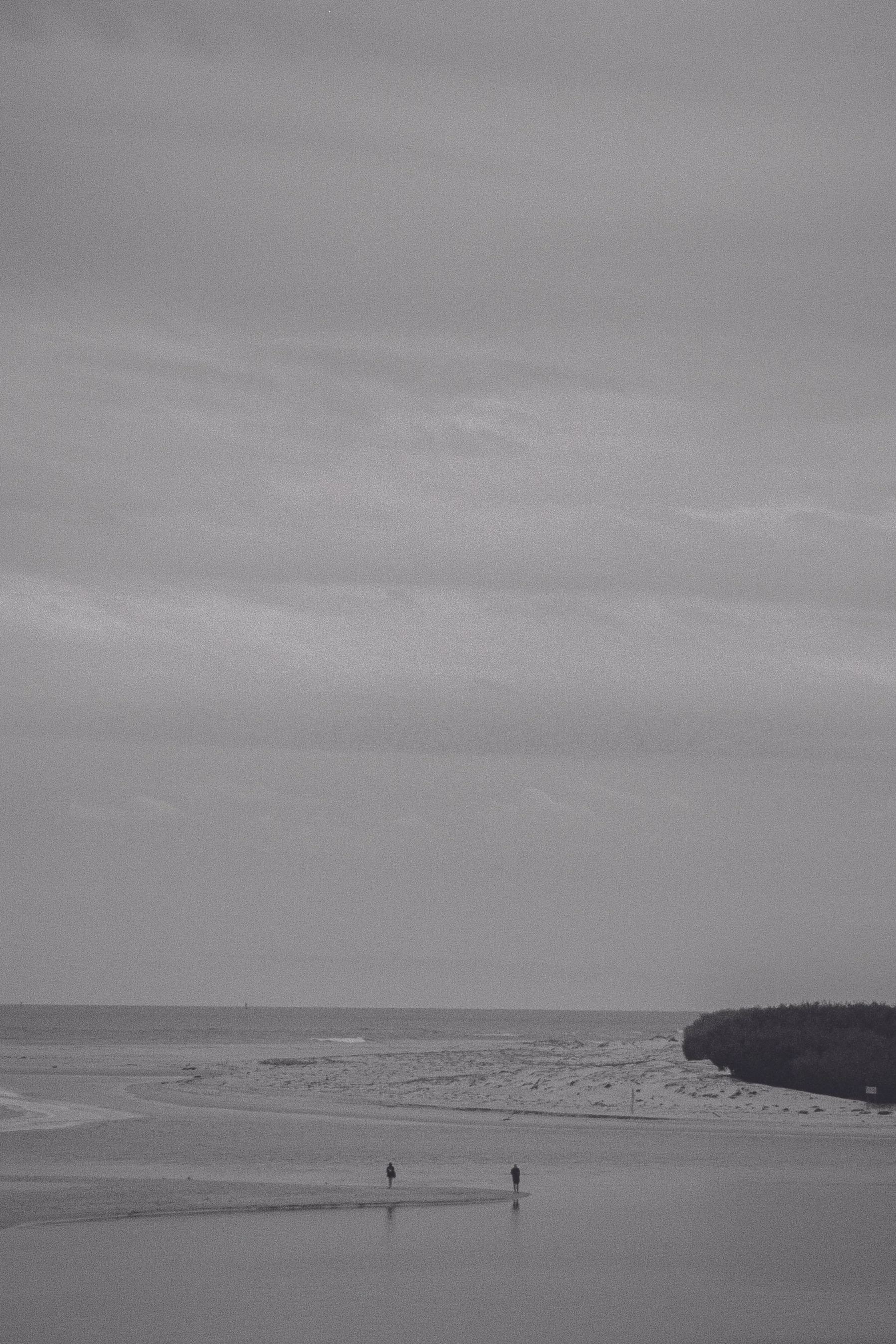
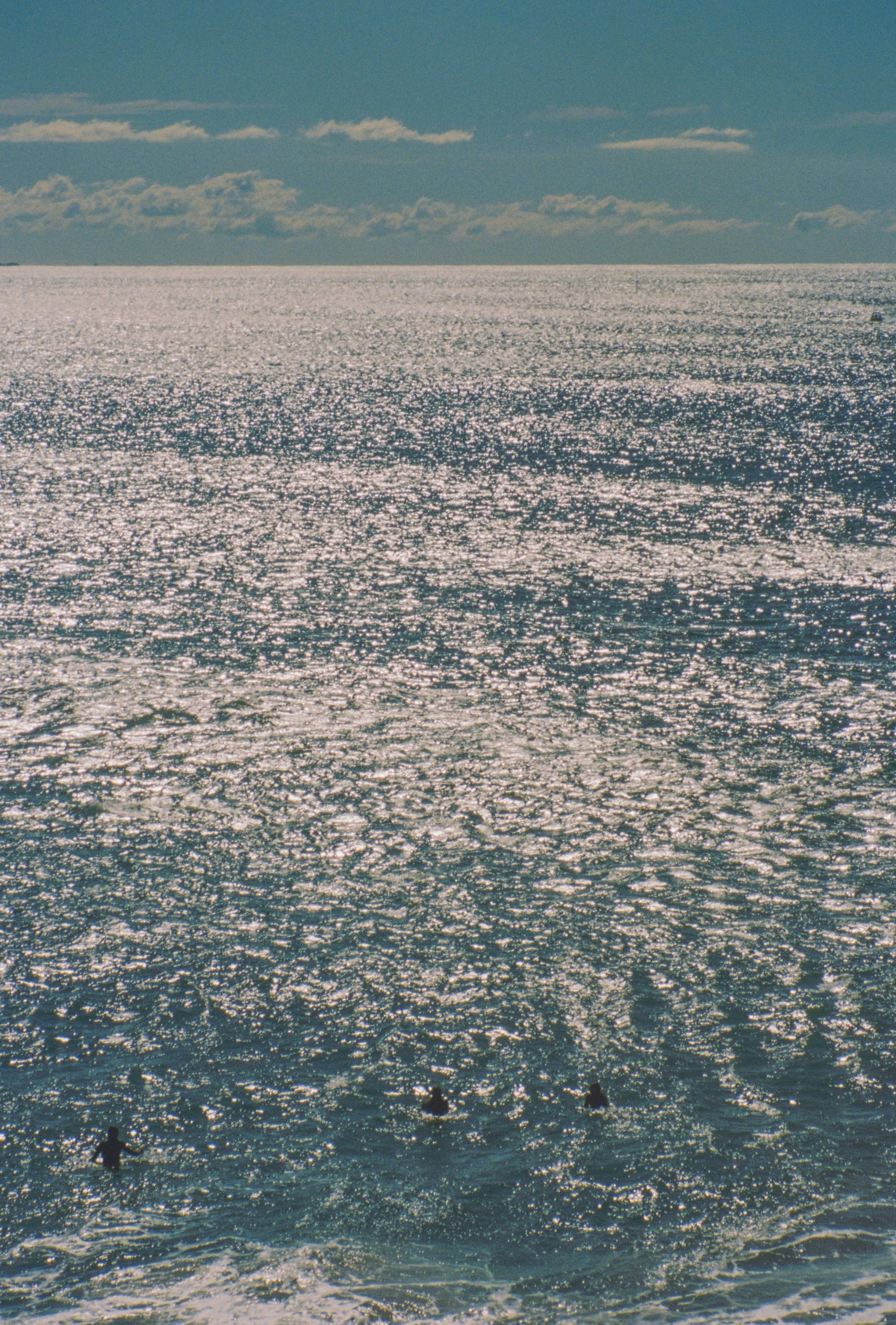
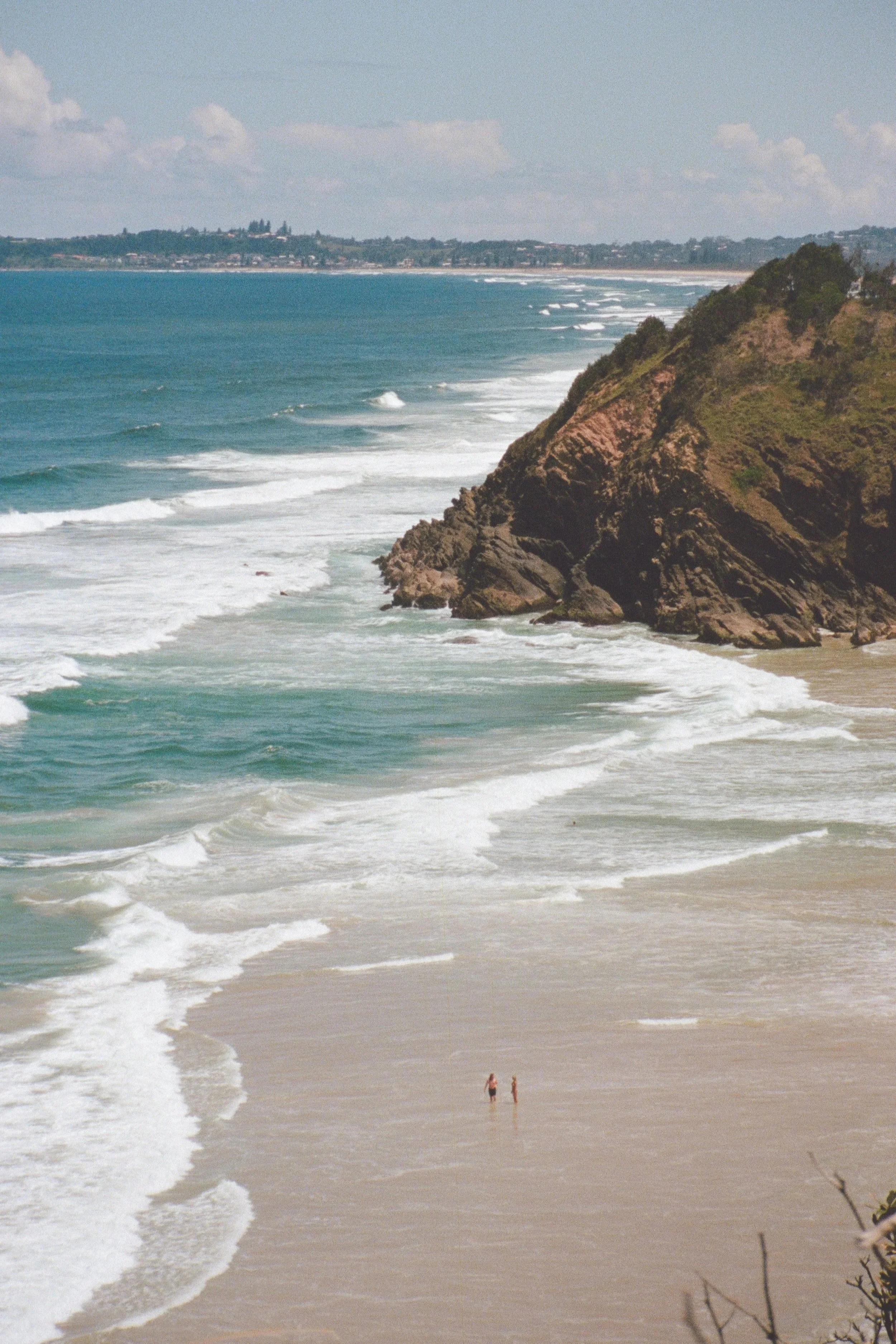
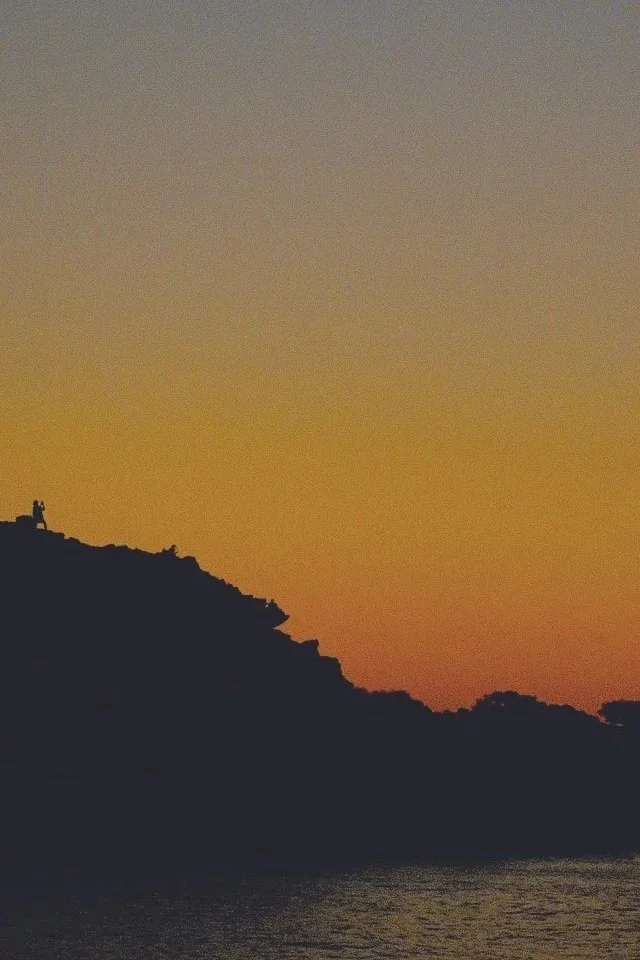
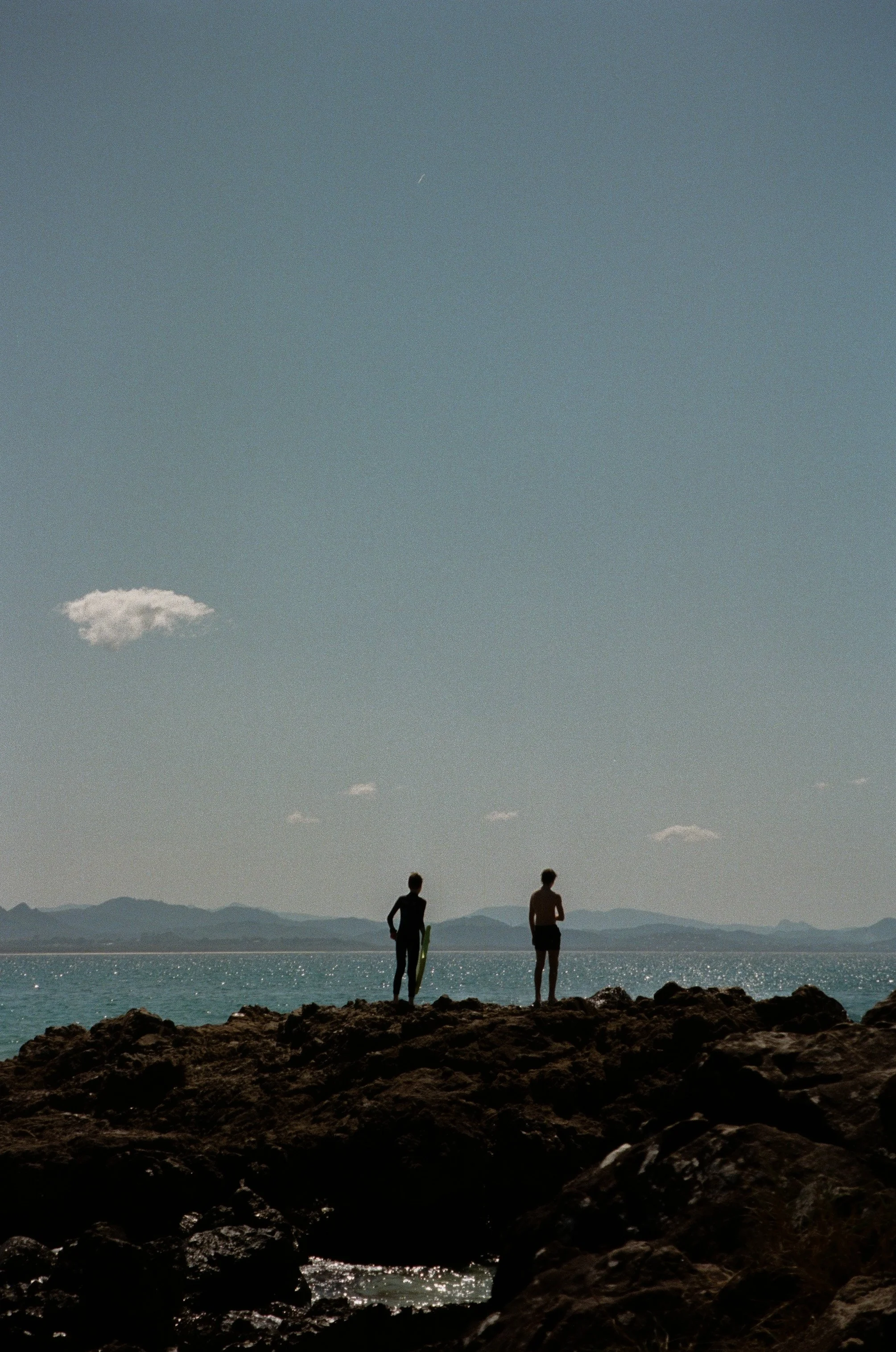
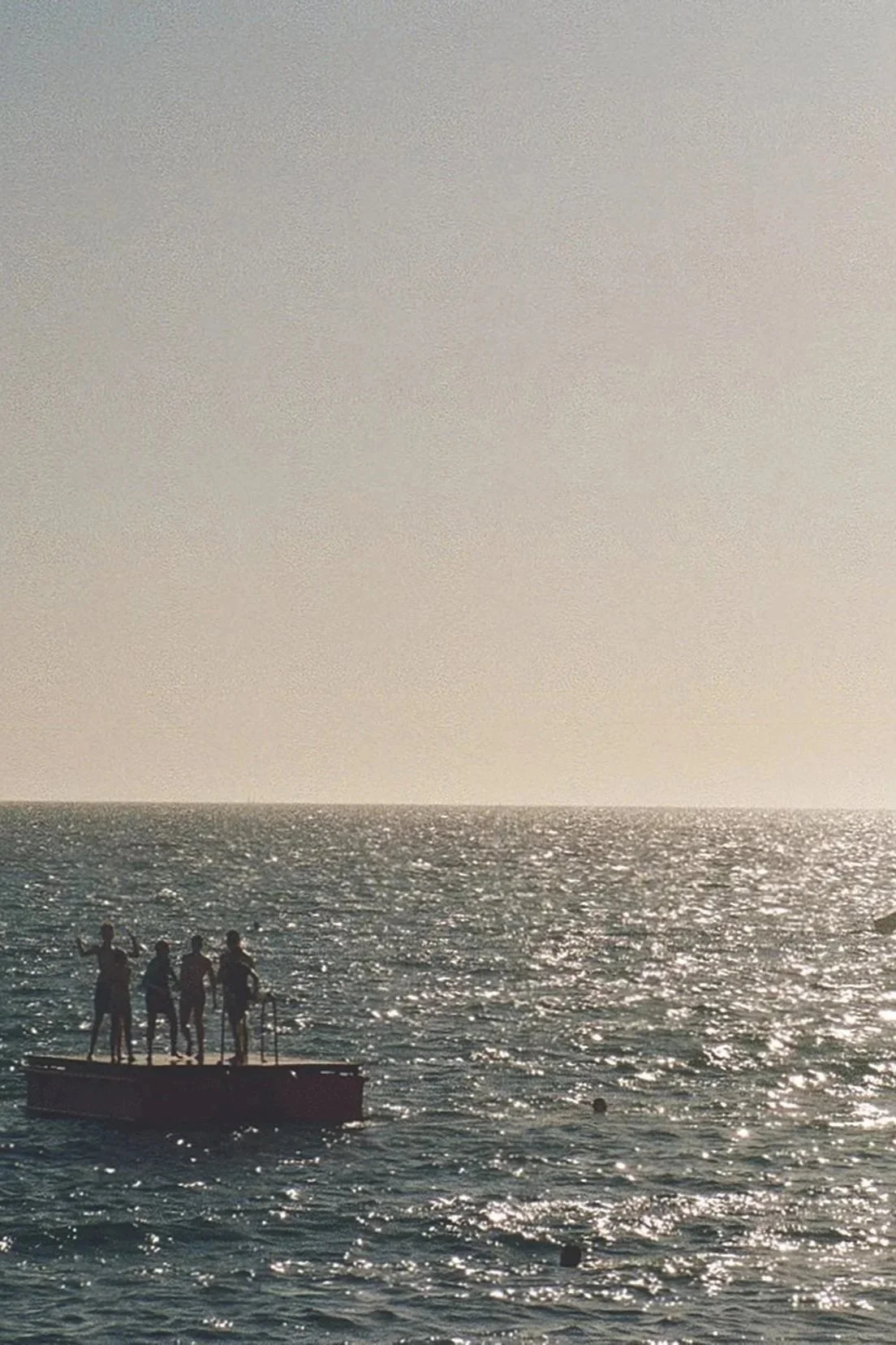
Without realising it, a common theme began to emerge in my photography: people in their places.
I think, on some level, it’s a subconscious way for me to recapture the beautiful memories that I forgot to experience, even if they belong to others.
During my happiest moments, when I was striving to be present, I always hoped there was someone there to capture it.
In a world full of chaos, I like to peel back the layers and focus on people in moments of human connection. We’re all so interconnected, yet at times, we feel profoundly alone. In a way, I hope my photography serves as a reminder that people are seen—even if it’s by someone they may never meet.
Photography has become a way for me to articulate my feelings in ways words never could—to express the inexpressible. It gives me a voice for the emotions that often feel too vast or too complex to define. I will always be grateful for the hobby that grew into something so much more, a means of capturing not just moments, but elements of my soul.